Safeguarding Your Property with Professional Solutions for Slab Leak Detection and Repair
June 28, 2026
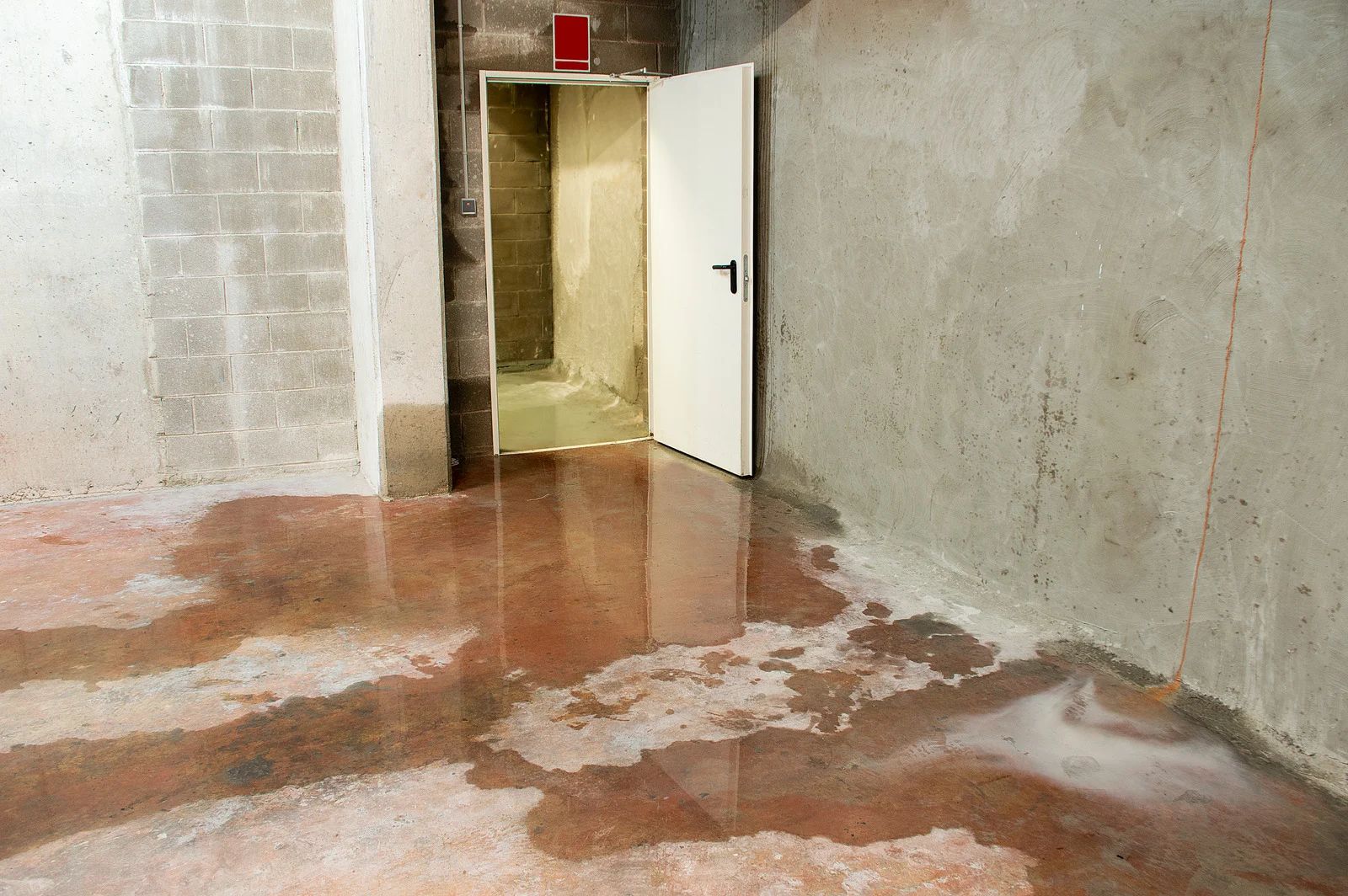
A slab leak is one of the most financially damaging and structurally threatening plumbing problems a property owner can face. Unlike a visible pipe burst or a dripping faucet, slab leaks occur beneath the concrete foundation of a home or building, making them difficult to detect until significant damage has already taken place. Water silently seeps through compromised pipes, eroding the soil beneath your foundation, warping flooring, promoting mold growth, and driving water bills to alarming heights before most homeowners even suspect a problem.
Understanding the mechanics of slab leaks, recognizing the warning signs, and knowing when to call a licensed plumber are the first lines of defense for any property owner. Whether the leak stems from corrosion, shifting soil, poor installation, or years of pressure-related wear, the approach to detection and repair must be precise and informed. Professional plumbing solutions combine advanced diagnostic technology with proven repair methods to protect your home from the inside out, and getting ahead of the problem before it escalates is always the smarter path.
What Is a Slab Leak and Why Does It Happen
Understanding the Mechanics
A slab leak refers to a leak in the water supply or drain lines that run beneath a concrete slab foundation. These pipes, typically copper or galvanized steel, are embedded directly under the flooring and are exposed to a range of stressors over time.
Several factors contribute to slab leaks:
Corrosion is one of the leading causes. In areas with hard water or acidic soil, metal pipes degrade over time as minerals and chemical compounds eat through the pipe walls. This process is gradual but relentless.
Soil shifting and seismic activity place lateral and vertical pressure on pipes. As the ground underneath a structure settles or moves, pipes can crack, separate at joints, or develop pinhole leaks from repeated abrasion against concrete or gravel.
Poor installation practices, including improper pipe bedding, insufficient protective wrapping, or using undersized pipes for the water pressure load, set the stage for early failures.
High water pressure over an extended period weakens pipe walls faster than normal wear would. When pressure exceeds the tolerance of aging pipes, the result is often a slow but destructive leak that goes unnoticed for months.
The Warning Signs Every Homeowner Should Know
Early detection is what separates a manageable repair from a catastrophic foundation overhaul. The signs of a slab leak are not always dramatic, but they are consistent.
Unexplained spikes in your water bill are among the earliest indicators. If water usage appears to have increased but your habits have not changed, water is escaping somewhere in the system.
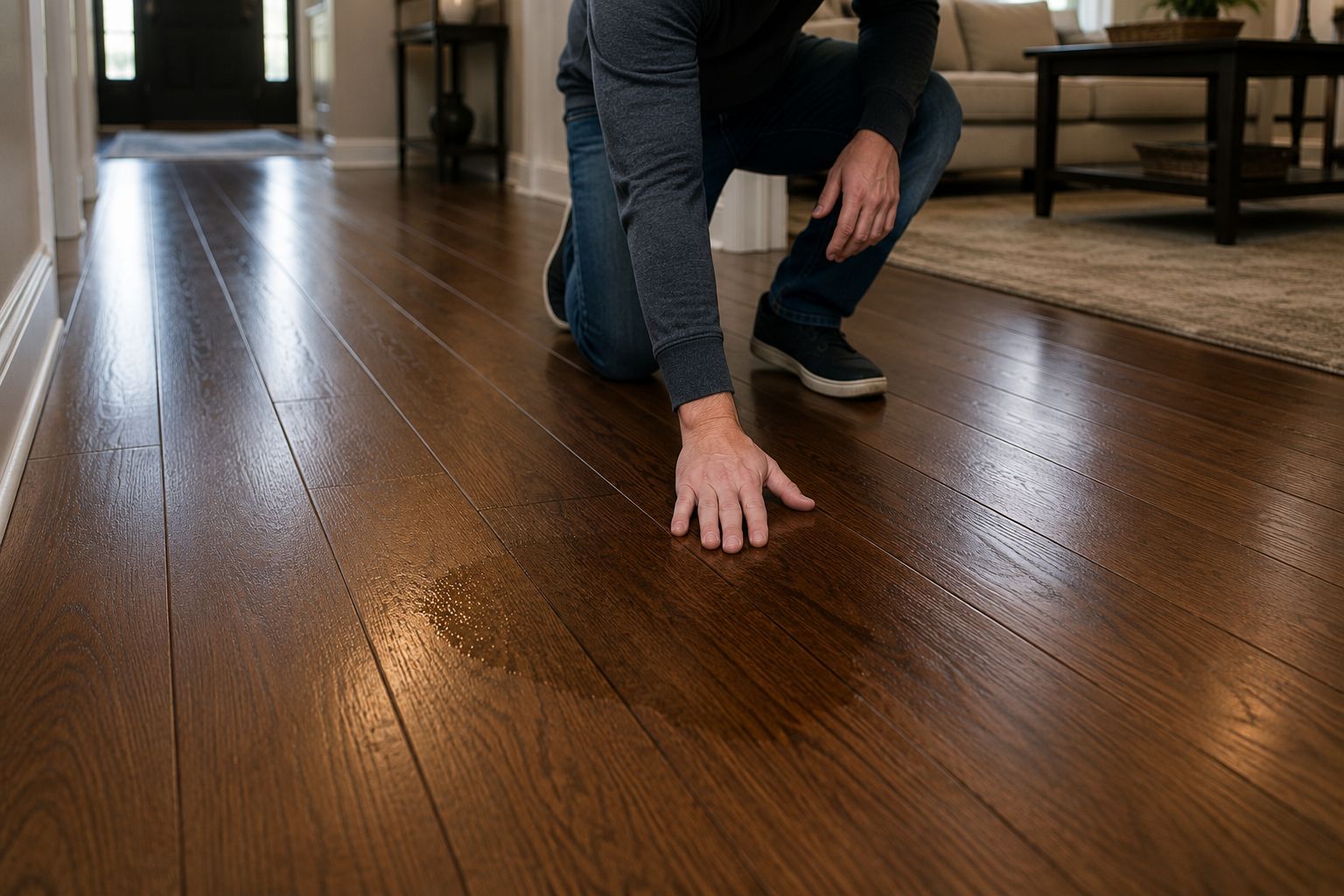
Warm spots on floors, particularly on tile or hardwood surfaces, indicate that a hot water line beneath the slab may be leaking. This is a reliable early warning sign that should never be ignored.
The sound of running water when all fixtures are turned off is another red flag. If you can hear water movement somewhere beneath your flooring without any active use, a leak is a strong possibility.
Visible cracks in walls or flooring, especially near the base of walls, suggest foundational movement caused by water saturation under the slab. Mold or mildew odors in low-lying areas of the home are also associated with long-standing moisture beneath the foundation.
How Professional Slab Leak Detection Works
Advanced Diagnostic Technology
One of the most important reasons to hire a licensed plumber for slab leak detection is access to non-invasive diagnostic tools that locate the problem without tearing up the entire floor. Modern detection methods include:
Electronic leak detection uses sensitive listening devices and electronic amplification to pinpoint the exact location of a leak beneath the slab. The plumber places probes or sensors at different points and listens for the distinct acoustic signature of escaping water.
Thermal imaging cameras detect temperature differentials across the floor surface. Since hot water leaks alter the surface temperature of the flooring above them, a thermal scan can map the leak location with a high degree of accuracy.
Pressure testing isolates sections of the plumbing system to confirm where pressure loss is occurring. By shutting off specific lines and monitoring pressure gauges, plumbers can narrow the location of a leak before any digging begins.
Video pipe inspection, where a small camera is fed through the line, provides a direct visual assessment of the pipe condition and identifies the exact point of failure.
Why Non-Invasive Detection Matters
Without proper diagnostic equipment, locating a slab leak requires guesswork and extensive demolition. Professional detection methods preserve your flooring, reduce labor time, and allow the repair to target the precise problem area rather than a broad excavation zone. For homeowners, this means far less disruption and a faster return to normal.
Slab Leak Repair Methods Explained
Once a slab leak is detected and located, the repair method is selected based on the extent of the damage, the age of the pipes, and the overall condition of the plumbing system. There are three primary approaches:
- Spot Repair
Spot repair involves excavating directly above the confirmed leak location, accessing the damaged pipe, and repairing or replacing the affected section. This method works well when the damage is isolated and the rest of the plumbing is in acceptable condition. The concrete is then restored after the repair is complete.
- Pipe Rerouting
In cases where a pipe section is heavily corroded or where the same line has experienced repeated failures, rerouting is often the more practical long-term solution. The leaking pipe is abandoned in place and a new line is run through the walls, attic, or crawl space, bypassing the slab altogether. This eliminates future access issues and removes a problematic section from the active system.
- Epoxy Pipe Lining (Trenchless Repair)
Trenchless repair technology has changed how slab leak repairs are approached. Epoxy pipe lining involves inserting a flexible liner coated in epoxy resin into the existing pipe. Once it cures, it forms a new interior surface that seals leaks and restores structural integrity without any excavation. This method is particularly valuable in finished living spaces where preserving flooring and tile is a priority.
| Repair Method | Best For | Disruption Level |
|---|---|---|
| Spot Repair | Single isolated leak, newer pipes | Moderate (targeted excavation) |
| Pipe Rerouting | Recurring leaks, corroded sections | Low (bypasses slab entirely) |
| Epoxy Pipe Lining | Multiple small leaks, older systems | Minimal (no demolition required) |
Protecting Your Foundation After a Slab Leak Repair
Repairing the pipe is only part of the solution. After a slab leak, it is important to assess and address any secondary damage to the foundation, subfloor, and surrounding materials.
Moisture testing should be conducted to confirm that the concrete and subfloor materials have dried adequately before new flooring is installed. Residual moisture trapped beneath flooring creates ideal conditions for mold and structural deterioration.
Foundation inspection by a licensed structural engineer may be warranted if the leak was long-standing. Prolonged water exposure beneath a slab can cause settlement, void formation in the soil, or cracking in the concrete itself.
Mold remediation may be necessary if moisture has been present for an extended period, particularly in enclosed crawl spaces or under carpeted areas. Mold can develop within 24 to 48 hours of water exposure and poses real health concerns if left unaddressed.
Upgrading your water pressure regulator after a slab leak repair is a practical preventive step. If excess pressure contributed to the original failure, correcting the pressure to the recommended range of 40 to 60 PSI reduces the risk of future pipe stress.
Professional Solutions Backed by Decades of Plumbing Knowledge
Slab leaks are among the most serious plumbing problems a property can face, combining hidden development, structural risk, and the potential for significant water damage all at once. Early detection through professional diagnostic tools, followed by the right repair method for the specific conditions, is the framework that prevents a manageable problem from becoming a major structural event. Protecting your foundation, your indoor environment, and your plumbing investment requires working with licensed professionals who understand both the detection science and the repair techniques that deliver lasting results. Taking action at the first warning sign is always the right decision.
At Star Plumbing and Drains, we have spent more than 20
years serving property owners across Muskogee, Oklahoma with the kind of hands-on expertise that slab leak detection and repair demands. We bring advanced diagnostic technology to every service call, including electronic leak detection, thermal imaging, and video pipe inspection, so we can pinpoint the problem without unnecessary demolition. Our repair approach is tailored to what each plumbing system actually needs, whether that means a targeted spot repair, a full pipe reroute, or a trenchless epoxy lining solution. We understand the Muskogee region's soil conditions, water quality characteristics, and the plumbing challenges common to local homes and commercial properties. When you work with us, you work with a team that has seen and resolved slab leak situations across every complexity level. We stand behind our work with a commitment to transparent communication, accurate diagnosis, and repairs built to last. Star Plumbing and Drains
is the name Muskogee property owners call when the problem is under the slab and the stakes are high.
Frequently Asked Questions
1. How do I know if I have a slab leak rather than another plumbing issue?
The clearest indicators are warm spots on the floor, the sound of running water when no fixtures are in use, and unexplained increases in your water bill. A licensed plumber can confirm the presence and location of a slab leak through electronic detection or pressure testing without any demolition.
2. How long does a slab leak repair typically take?
The timeline depends on the repair method selected. A spot repair with excavation may take one to two days. Pipe rerouting can often be completed in a single day. Epoxy pipe lining, depending on the length of pipe treated, typically takes several hours to a full day including cure time.
3. Can a slab leak cause permanent foundation damage?
Yes, if left unaddressed for an extended period. Sustained water saturation beneath a concrete slab weakens the supporting soil, which can lead to settlement, void formation, and structural cracking. Early detection and repair significantly reduce the risk of foundation compromise.
4. Is it safe to stay in my home during a slab leak repair?
In most cases, yes. Non-invasive detection and trenchless repair methods cause minimal disruption to daily living. Spot repairs involving excavation may require temporary displacement from one area of the home, but the process is typically contained and brief.
5. What causes slab leaks in newer homes?
Even newer homes are not immune. High water pressure, abrasive soil contact, aggressive water chemistry, and installation errors can cause pipe failure within the first decade of a home's life. Having water pressure checked and pipes inspected periodically is a worthwhile preventive measure regardless of a home's age.