Warm Spot on the Floor or Running-Water Sound? Slab Leak Signs
July 11, 2026
Quick Answer: A warm spot on the floor or the sound of running water when every tap is off are two of the clearest signs of a slab leak, a break in a water line beneath your concrete foundation. Other tells include an unexplained jump in your water bill, a sudden drop in pressure, damp or warped flooring, musty odors, and new cracks in walls or floors. A slab leak does not heal on its own, so the safe move is to confirm it with a simple meter check and have the line located before hidden water erodes the soil under your foundation.
You are walking across the kitchen barefoot on an ordinary morning when you feel it: a patch of floor that is noticeably warmer than the tile around it. Or maybe the house is quiet at night, every faucet is off, and you can still hear water moving somewhere below you, a faint hiss or whoosh with no obvious source. Both of those small, easy-to-dismiss clues point to the same hidden problem, and it is one you do not want to ignore.
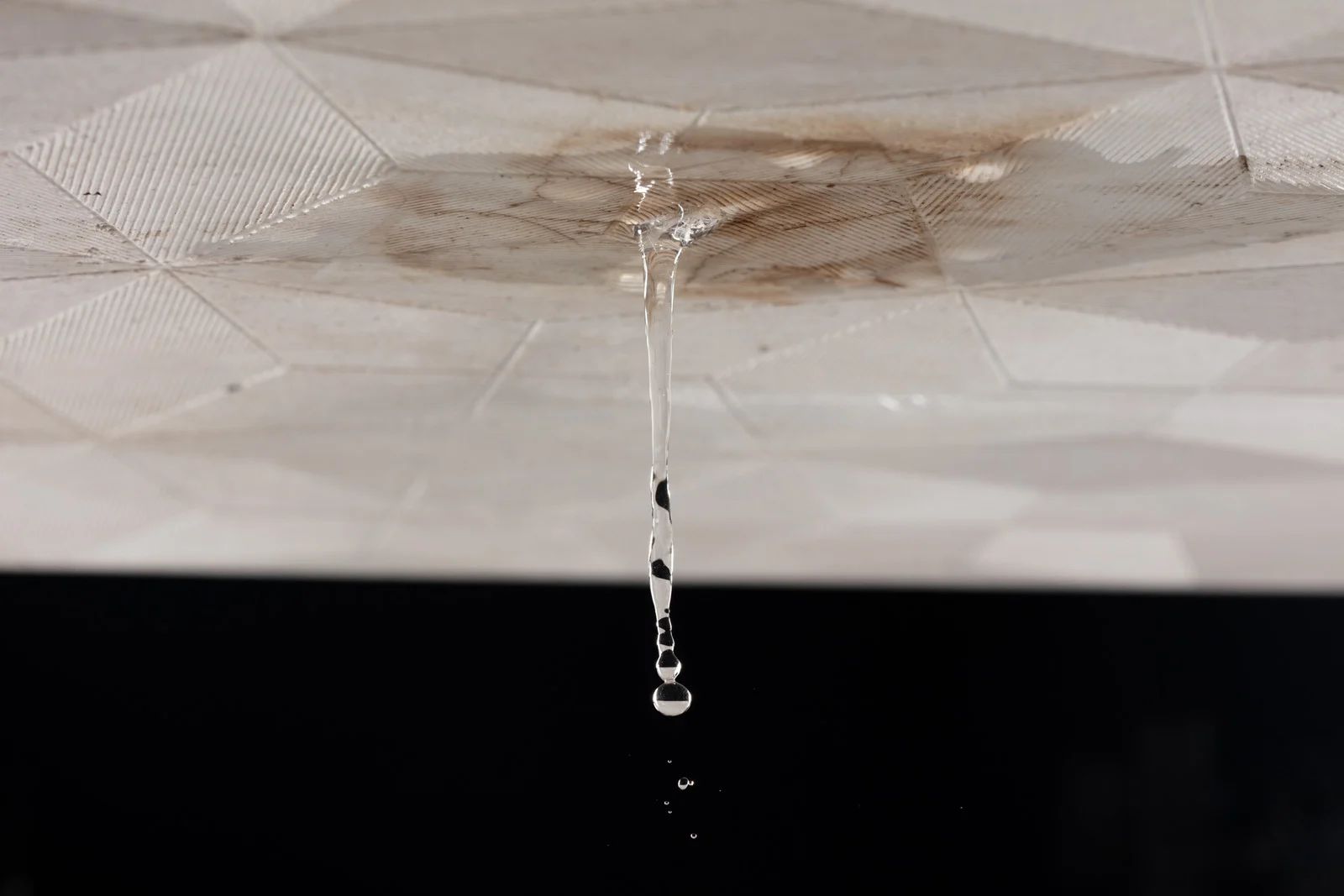
A slab leak is a break or pinhole in one of the water lines that run through or beneath the concrete slab your home sits on. Because those pipes are buried under the foundation, the leak stays out of sight, often for weeks or months, revealing itself only through secondary signs like a warm floor, a strange sound, or a water bill that will not add up. Here is how to read those signs, what tends to cause a slab leak in the first place, and what you can safely check before the water below does lasting damage.
Slab leaks are among the most serious plumbing problems a property can face, combining hidden development, structural risk, and the potential for significant water damage all at once. Early detection through professional diagnostic tools, followed by the right repair method for the specific conditions, is the framework that prevents a manageable problem from becoming a major structural event. Protecting your foundation, your indoor environment, and your plumbing investment requires working with licensed professionals who understand both the detection science and the repair techniques that deliver lasting results. Taking action at the first warning sign is always the right decision.
At Star Plumbing and Drains, we have spent more than 20
years serving property owners across Muskogee, Oklahoma with the kind of hands-on expertise that slab leak detection and repair demands. We bring advanced diagnostic technology to every service call, including electronic leak detection, thermal imaging, and video pipe inspection, so we can pinpoint the problem without unnecessary demolition. Our repair approach is tailored to what each plumbing system actually needs, whether that means a targeted spot repair, a full pipe reroute, or a trenchless epoxy lining solution. We understand the Muskogee region's soil conditions, water quality characteristics, and the plumbing challenges common to local homes and commercial properties. When you work with us, you work with a team that has seen and resolved slab leak situations across every complexity level. We stand behind our work with a commitment to transparent communication, accurate diagnosis, and repairs built to last. Star Plumbing and Drains
is the name Muskogee property owners call when the problem is under the slab and the stakes are high.
Professional Solutions Backed by Decades of Plumbing Knowledge
Why a Warm Spot on the Floor Is a Red Flag
Hot-water line under the slab
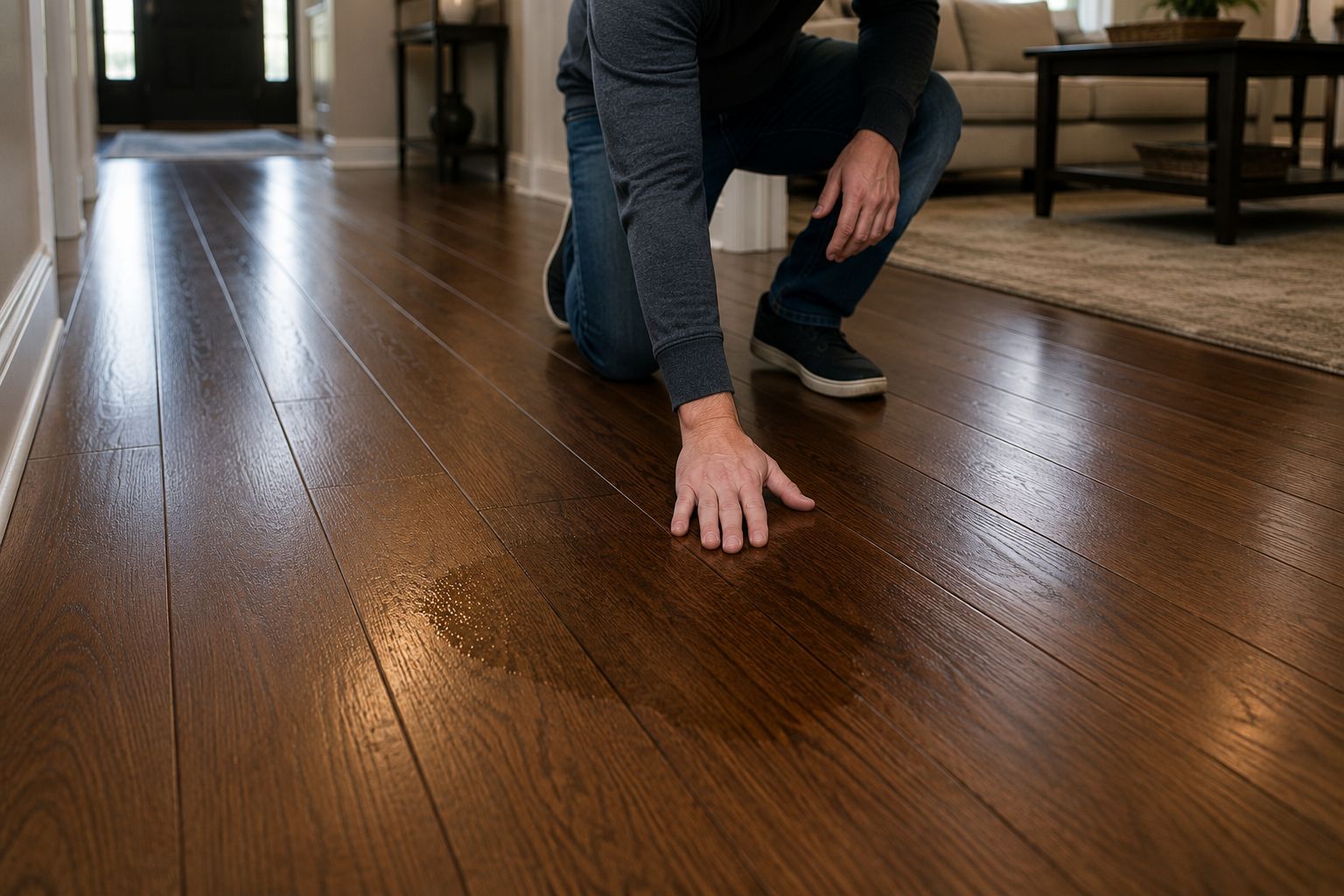
A warm floor without an obvious cause often points to a leaking hot-water line beneath the concrete slab. Escaping pressurized water transfers heat through tile, wood, or vinyl flooring, making the surface noticeably warmer. Tile and concrete usually reveal these temperature changes more quickly than softer flooring materials.
Where to feel for it
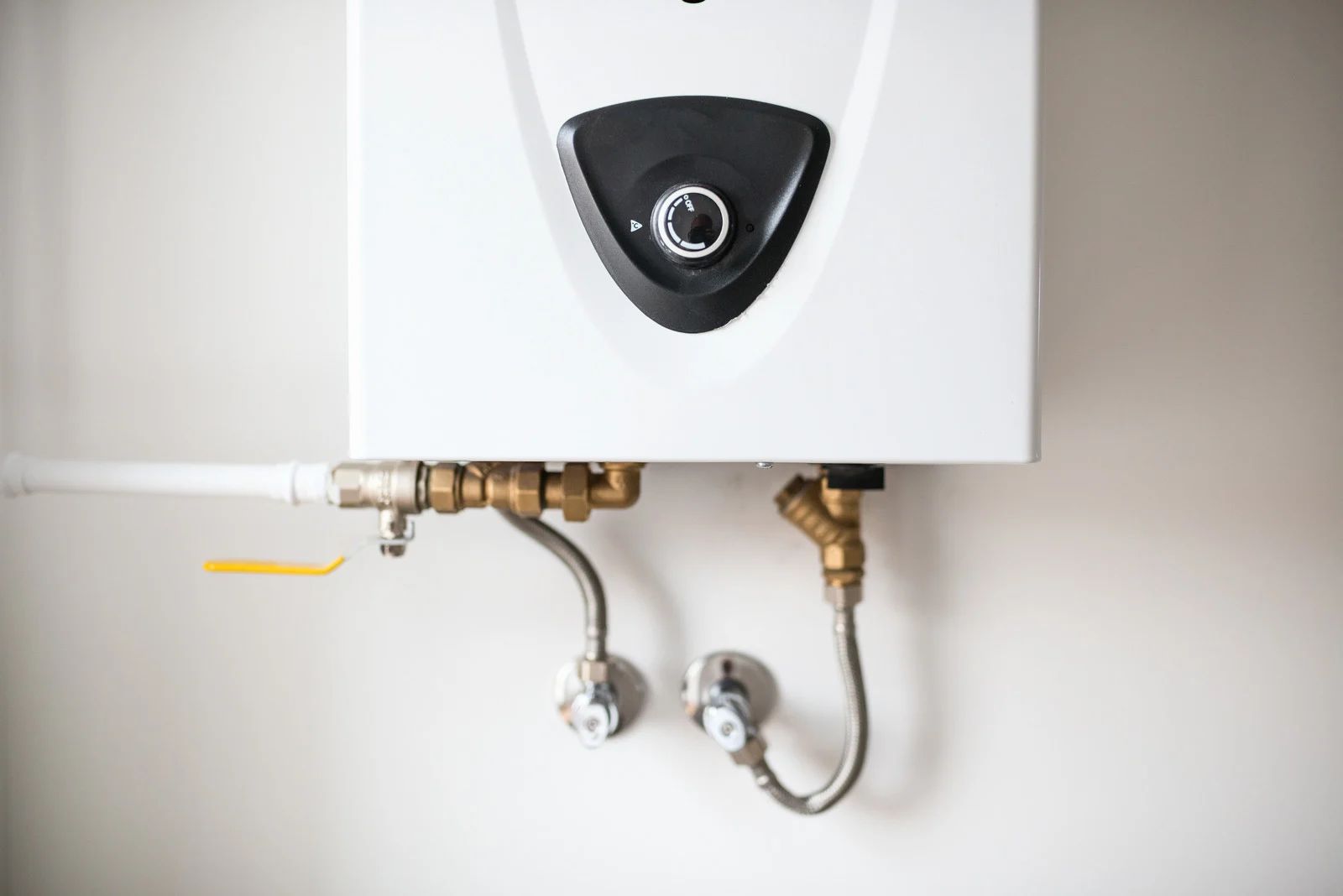
Warm spots commonly appear along the route between your water heater and fixtures like bathrooms, kitchens, or laundry rooms. Walk these areas barefoot to detect unusual warmth. For greater accuracy, use an infrared thermometer to compare floor temperatures and identify suspicious areas before arranging professional inspection.
Why it matters beyond the warmth
A warm floor signals more than a plumbing inconvenience. Escaping hot water wastes energy and increases utility costs while creating constant moisture beneath the slab. Over time, damp conditions encourage mold growth, damage flooring materials, weaken structural support, and contribute to foundation movement if repairs are delayed.
The Sound of Running Water With Every Tap Off
What you are actually hearing
A slab leak often creates a faint hissing or gentle whooshing sound as pressurized water escapes beneath the concrete. The noise usually becomes easier to notice late at night when household appliances are off and the surrounding environment is quiet and still.
How to listen for it
Choose a quiet time, turn off every faucet, appliance, and water-using fixture, then listen carefully near areas where plumbing lines pass beneath the foundation. If the sound remains consistent despite everything being shut off, arrange a professional slab leak inspection promptly.
Rule out the easy culprits first
Before assuming a slab leak, check for dripping faucets, running toilets, or recirculating pumps that can create similar sounds. If every fixture is functioning properly and the noise continues, a hidden leak beneath the concrete slab becomes much more likely.
The Other Signs That Point to a Slab Leak
A warm floor and a phantom water sound are the most distinctive tells, but slab leaks rarely travel alone. These supporting signs help confirm what you suspect.
An unexplained jump in the water bill
A slab leak runs constantly, so it shows up as water you are paying for but never used. Compare recent bills against the same months in prior years. A gradual climb often signals a small leak that is slowly worsening, while a sudden spike can mean a larger break. Rule out obvious explanations first, such as new lawn watering, houseguests, or a recently added appliance.
A drop in water pressure
When water is escaping underground, less of it reaches your fixtures, so faucets and showers that once ran strong can weaken. Pressure that stays low across the whole house, rather than at a single tap, is more consistent with a system-wide loss like a slab leak than with a clogged aerator.
Damp, discolored, or warped flooring
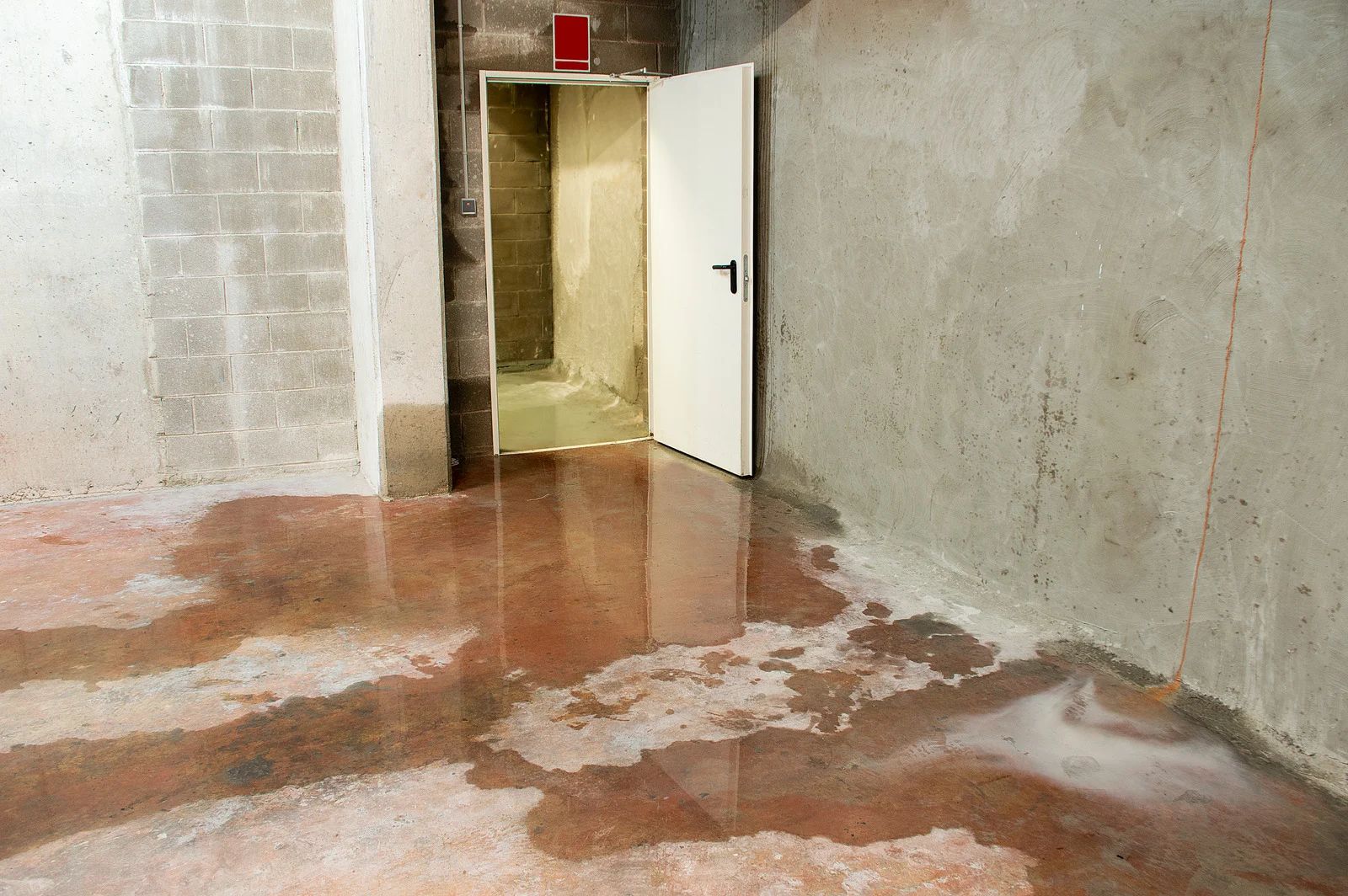
Moisture working its way up through the slab can leave random wet areas on hard floors, perpetually soggy carpet, or staining and warping near walls and baseboards. Wood floors may cup or buckle, and tile can loosen as the subfloor stays wet.
Musty odors
A persistent earthy, damp smell, the kind you might associate with wet material or a closed-up basement, often points to mold and mildew feeding on hidden moisture. Because a slab leak can seep unseen for a long stretch, the smell sometimes arrives before any visible damage does.
New cracks in floors or walls
As escaping water erodes and shifts the soil beneath the foundation, the slab can settle unevenly. That movement can show up as fresh cracks in flooring, stair-step or diagonal cracks in walls, or doors and windows that suddenly stick.
Tip:
Do a water-meter test to confirm a suspected slab leak before you call anyone. Turn off every fixture and water-using appliance in the house, then look at your water meter. If the dial or leak indicator keeps moving with everything shut off, water is escaping somewhere in your system, and a slab leak is a strong candidate.
What Causes Slab Leaks in the First Place
Understanding why these leaks form helps explain why homes in the Tulsa area see them, and why they tend to recur if the underlying conditions are not addressed.
Expansive clay soil and the shrink-swell cycle
Northeastern Oklahoma's expansive clay repeatedly swells after rainfall and shrinks during dry weather. This constant ground movement places stress on plumbing lines beneath concrete slabs, eventually causing joints to separate or pipes to crack, leading to hidden slab leaks requiring professional repair.
Corrosion from hard water
Hard water contains minerals that gradually corrode copper pipes from the inside, thinning pipe walls over many years. Eventually, tiny pinhole leaks develop beneath the slab, allowing water to escape unnoticed until visible signs or higher water bills finally appear.
High or fluctuating water pressure
Excessive or constantly changing water pressure places continuous stress on plumbing joints, fittings, and pipes. Combined with soil movement beneath the slab, this added strain weakens vulnerable sections and significantly increases the likelihood of developing a hidden slab leak over time.
Poor original installation
Pipes bent, dented, or installed against rough concrete, rebar, or sharp aggregate during construction develop weak points. Years of vibration, friction, and normal expansion eventually wear through these areas, increasing the risk of slab leaks beneath otherwise reliable plumbing systems.
Age
As plumbing systems age, years of soil movement, corrosion, water pressure, and normal wear gradually weaken underground pipes. Older materials are often more susceptible to pinhole leaks, making slab leaks increasingly common as homes and plumbing systems continue getting older.
Warning:
Do not keep living with a suspected slab leak in the hope that it stops on its own. It will not. As water keeps escaping beneath the foundation, it erodes and softens the supporting soil, which can lead to uneven settling, cracked flooring, and structural movement, while the trapped moisture feeds mold. The damage, and the work to undo it, only grows the longer the leak runs.
How the Leak Gets Found Without Tearing Up Your Floors
The idea that finding a slab leak means jackhammering the whole floor keeps a lot of homeowners from acting. In practice, the goal of professional detection is the opposite: to pinpoint the exact spot before any concrete is opened.
Acoustic listening
Sensitive microphones and amplification equipment let a technician hear the specific sound of water escaping a pressurized line through the slab, tracing it to a small area rather than a general zone.
Thermal imaging
A leaking hot-water line warms the concrete above it, and a thermal camera reads those subtle temperature differences and patterns. Because the camera detects heat rather than moisture directly, it works alongside other tools to narrow the search, and the warmth from a hot-water leak shows up clearly against the cooler floor around it.
Pressure testing
By isolating and pressurizing sections of the plumbing, a technician can identify which line has lost integrity, separating a hot-water-side leak from a cold-water or drain issue and confirming a leak really exists before anyone digs.
Video inspection
A small camera fed through accessible lines lets a plumber see the condition of the pipe and confirm the leak location, taking the guesswork out of where a repair actually needs to happen.
Once the leak is pinpointed, the fix is chosen to match the situation: opening a small, targeted section of slab to reach an isolated break, rerouting the affected line so a new pipe bypasses the slab entirely, or in cases of widespread corrosion, replacing the run so the same problem does not return.
Frequently Asked Questions
Is a warm spot on the floor always a slab leak?
Not always, but a persistent warm spot often indicates a leaking hot-water line beneath the slab. Rule out sunlight, radiant heating, or nearby appliances first. If warmth remains alongside higher water bills or running-water sounds, schedule a professional inspection promptly.
How do I know if the running-water sound is a leak or just my plumbing?
Turn off every faucet, appliance, and irrigation system, then listen carefully. Check that toilets are not running or faucets dripping. If the water meter continues moving while everything remains off, a hidden plumbing leak is likely somewhere underground.
Can I check for a slab leak myself before calling a plumber?
Yes. Shut off all water inside and outside your home, then monitor the water meter. Movement indicates a possible hidden leak. Warm floor spots and unexplained running-water sounds also suggest a slab leak requiring professional detection equipment for confirmation.
Will a slab leak damage my foundation?
Yes. Water escaping beneath the slab weakens supporting soil and can cause uneven settling, floor cracks, wall damage, and sticking doors or windows. Prompt detection and repairs prevent plumbing issues from developing into far more expensive structural foundation problems later.
Why do slab leaks seem more common in this area?
Northeastern Oklahoma's expansive clay soil repeatedly swells and shrinks with changing moisture levels, placing stress on buried pipes. Hard water also accelerates internal pipe corrosion, making slab leaks more common than in regions with stable soils and softer water.
Does a slab leak ever fix itself?
No. Pressurized water continues escaping through the damaged pipe until repairs are completed. Waiting only increases damage beneath the slab, weakens supporting soil, raises water bills, and creates additional moisture problems that become more expensive to repair over time.
Reading the Signs and Acting Early
A warm patch underfoot and the sound of water running through a silent house are easy to shrug off, but together with a climbing water bill, weak pressure, damp floors, or a musty smell, they tell a consistent story: water is escaping somewhere beneath your slab. The reassuring part is that you can confirm your suspicion with a simple meter test and a barefoot walk across the floor, and that modern detection finds the leak precisely rather than blindly. The one thing you should not do is wait, because a slab leak only widens its reach through the soil, the structure, and the air the longer it runs.
Schedule a
slab leak inspection
— Stop guessing about that warm spot or phantom water sound and get the leak located before it undermines your floors and foundation. Serving Muskogee, Oklahoma, Star Plumbing and Drains
uses electronic acoustic detection, thermal imaging, and pressure testing to pinpoint a slab leak without tearing up your home, then repairs, reroutes, or replaces the line as the situation calls for. With 20+ years of licensed experience across residential, commercial, and industrial plumbing, Star Plumbing and Drains
can confirm what is happening under your slab and make it right. Reach out today to schedule your slab leak service.