Water Heater Installation and Repair: What You Need to Know for Optimal Performance
April 18, 2026
Reliable access to hot water is essential for comfort, sanitation, and efficient daily operations in both residential and commercial settings. From morning showers to dishwashing and laundry, a properly functioning water heater plays a critical role in maintaining convenience and hygiene. However, many property owners underestimate the importance of correct installation and timely repair, often leading to reduced efficiency, higher energy costs, and unexpected system failures. Understanding how water heaters work, along with the factors that influence their performance, is key to ensuring long-term reliability and cost-effectiveness.
Water heater installation and repair involve more than simply connecting pipes and powering a unit. It requires careful consideration of system type, capacity, energy source, and local plumbing codes. Improper installation can lead to safety hazards such as leaks, pressure buildup, or even system damage, while neglected maintenance can shorten the lifespan of the unit significantly. By focusing on best practices, recognizing early warning signs, and implementing proactive maintenance strategies, we can optimize performance, extend equipment life, and avoid costly disruptions. This guide provides essential insights into achieving optimal water heater performance through informed installation and repair decisions.
1. Choosing the Right Water Heater System
Understanding Different Types of Water Heaters
Selecting the right water heater begins with understanding the available options in today’s market. Traditional storage tank water heaters are widely used due to affordability and ease of installation, while tankless systems provide on-demand hot water and improved energy efficiency for modern households. Heat pump water heaters and solar-powered systems offer environmentally friendly alternatives, though they may require higher upfront investment and specific installation conditions depending on property setup.
Each system comes with unique benefits and limitations that must be carefully evaluated. Storage tanks are ideal for consistent usage patterns, whereas tankless systems are better suited for households seeking energy savings and space efficiency in compact environments. Choosing the right type depends on usage needs, budget, and long-term performance expectations for reliable operation.
Evaluating Capacity and Energy Efficiency
Capacity plays a crucial role in performance and overall user satisfaction. An undersized unit struggles to meet demand, while an oversized system leads to unnecessary energy consumption and higher utility expenses. Proper sizing requires evaluating household size, peak usage times, and appliance requirements to ensure consistent and efficient hot water availability.
Energy efficiency ratings, such as Energy Factor (EF) or Uniform Energy Factor (UEF), help determine operating costs over time and long-term savings potential. Investing in an energy-efficient unit reduces utility expenses and minimizes environmental impact, making it a practical and responsible long-term decision for property owners.
2. Best Practices for Proper Installation
Importance of Professional Installation
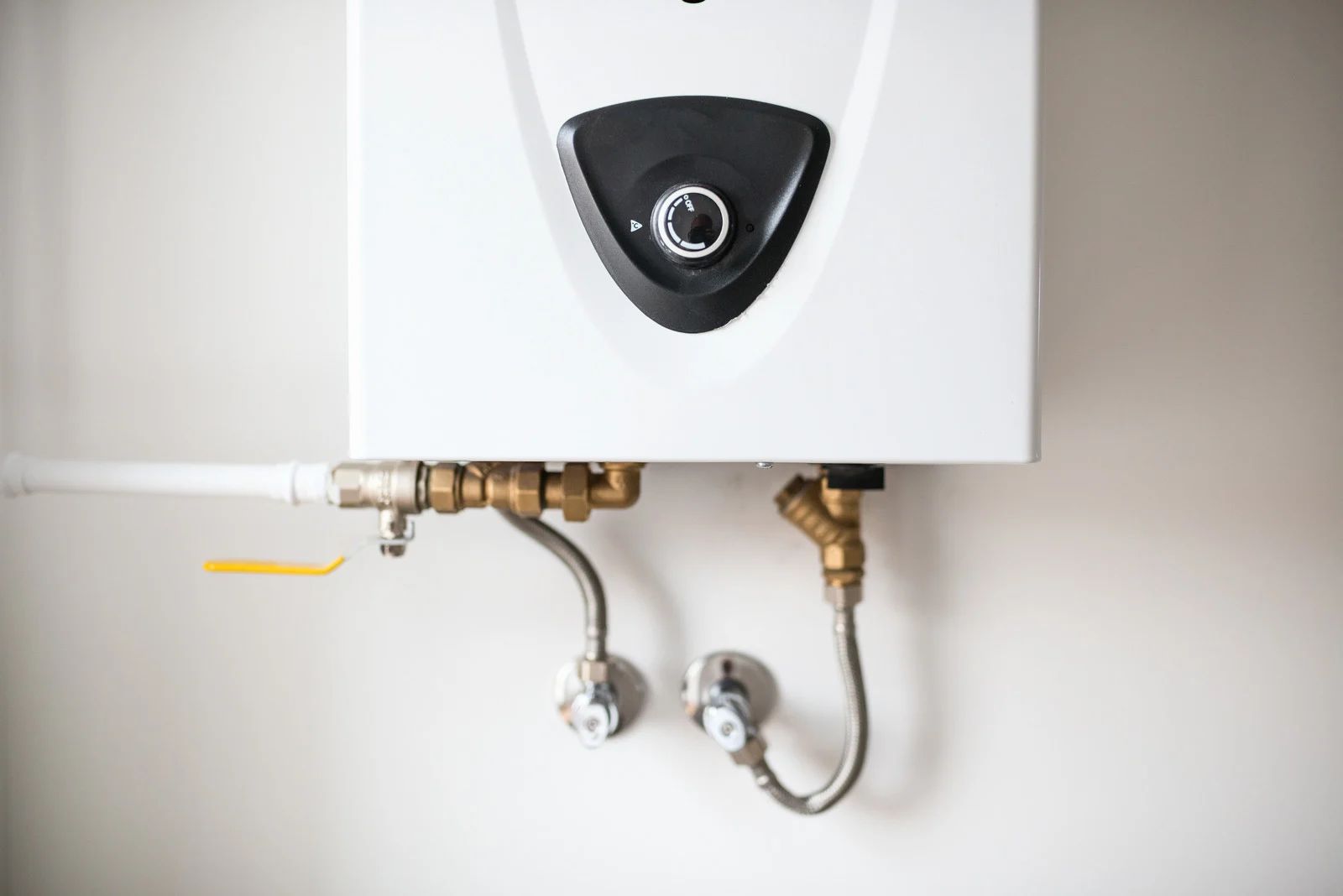
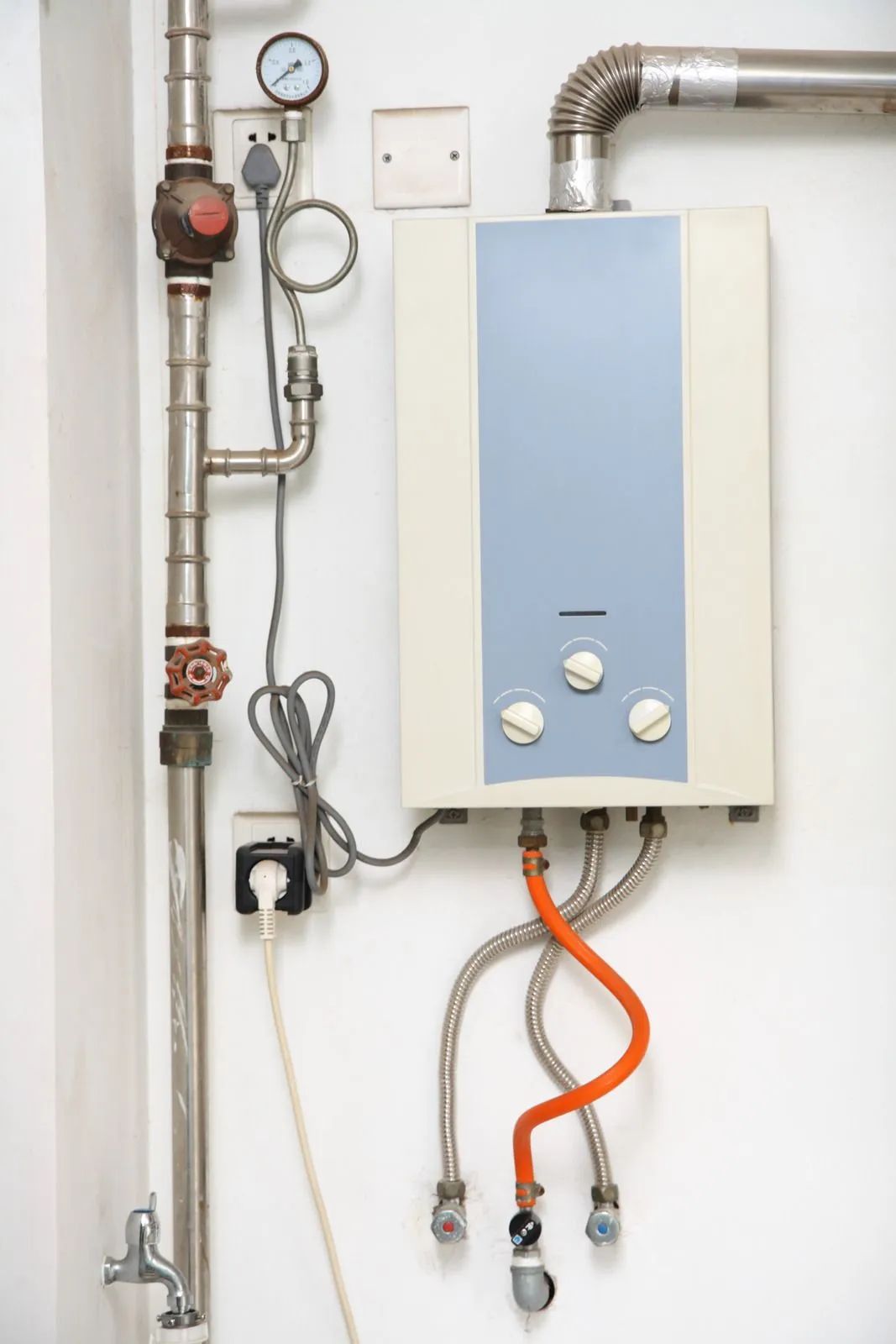
Water heater installation involves complex steps, including plumbing connections, electrical or gas line integration, and ventilation setup for safe and efficient operation. Improper installation can lead to leaks, inefficient operation, or serious safety risks that compromise system performance. Ensuring proper placement, secure connections, and compliance with local building codes is essential for long-term system reliability and safety.
Correct installation also affects warranty validity and manufacturer support coverage. Many manufacturers require professional installation to maintain coverage, making it a critical step in protecting the investment and avoiding unnecessary repair expenses in the future.
Key Installation Considerations
Several factors influence installation success and overall system performance over time. Proper location selection ensures accessibility for maintenance and reduces heat loss, improving efficiency and convenience. Adequate ventilation is vital for gas-powered systems to prevent carbon monoxide buildup and ensure safe indoor air quality. Additionally, pressure relief valves and expansion tanks must be correctly installed to maintain system safety and prevent excessive pressure buildup.
Water quality is another important consideration that directly impacts system longevity and efficiency. Hard water can lead to mineral buildup inside the tank, reducing efficiency and lifespan over time. Installing water softeners or filtration systems can significantly improve performance, durability, and overall operational reliability.
3. Common Water Heater Problems and Repair Solutions
Identifying Early Warning Signs
Water heaters often show signs of trouble before complete failure occurs, making early detection essential. Inconsistent water temperature, unusual noises, discolored water, and reduced pressure are common indicators of underlying issues affecting performance. Recognizing these symptoms early allows for timely intervention, preventing further damage and avoiding costly repairs or replacements.
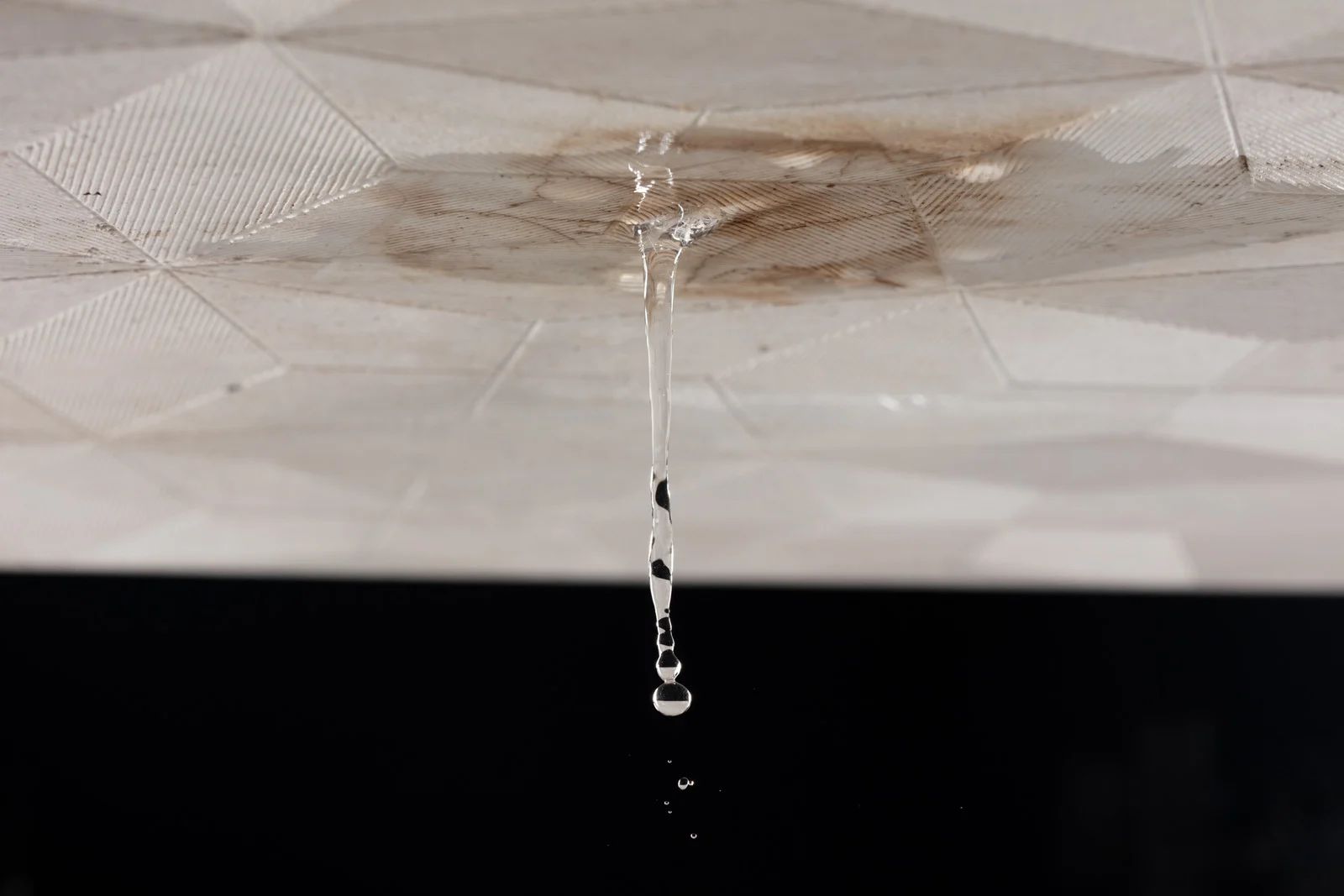
Leaks around the tank or connections are particularly concerning and should never be ignored. These leaks may signal internal corrosion or component failure, which can worsen quickly if left unaddressed. Addressing these issues promptly helps avoid costly replacements and potential property damage caused by water leakage.
Effective Repair Strategies
Repair solutions depend on the nature of the problem and the condition of the system. Sediment buildup can be resolved through tank flushing, while faulty thermostats or heating elements may require replacement to restore proper functionality. Gas water heaters may experience burner or pilot light issues, which need careful inspection, cleaning, and adjustment for safe operation.
In some cases, repairs may not be cost-effective, especially for older units nearing the end of their lifespan. Evaluating repair costs versus replacement benefits ensures informed decision-making and helps maintain efficient and reliable system performance over time.
4. Maintenance Practices for Long-Term Performance
Routine Maintenance Tasks
Regular maintenance is essential for optimal water heater performance and long-term reliability. Flushing the tank annually removes sediment buildup, improving efficiency and preventing overheating that can damage internal components. Inspecting the anode rod helps protect the tank from corrosion, extending its lifespan and maintaining consistent performance.
Checking connections, valves, and pressure settings ensures safe operation and prevents unexpected system failures. Minor adjustments during routine maintenance can prevent major issues and maintain consistent performance, reducing the likelihood of costly repairs in the future.
Benefits of Preventive Maintenance
Preventive maintenance reduces the risk of unexpected breakdowns and costly repairs that disrupt daily routines. It also enhances energy efficiency, lowering utility bills over time and improving overall system effectiveness. A well-maintained water heater operates more efficiently, providing reliable hot water without interruptions or performance issues.
Consistent maintenance also supports warranty compliance and extends the unit’s usable life significantly. This proactive approach maximizes return on investment while ensuring dependable performance and long-term cost savings for property owners.
5. Energy Efficiency and Cost Optimization
- Reducing Energy Consumption
Water heating accounts for a significant portion of energy usage in most residential and commercial properties. Implementing energy-saving measures can lead to substantial cost reductions and improved efficiency. Lowering the thermostat setting, insulating the tank and pipes, and using energy-efficient fixtures all contribute to reduced consumption and better performance.
Upgrading to modern, high-efficiency models further enhances savings and operational effectiveness. Tankless systems, for example, eliminate standby heat loss, making them an attractive option for long-term efficiency and reduced energy expenses.
- Smart Technology Integration
Advanced water heaters now incorporate smart technology, allowing remote monitoring and control for improved convenience. These systems provide real-time performance data, enabling proactive maintenance and energy optimization for better efficiency.
Smart features also enhance convenience by allowing users to adjust settings based on usage patterns and preferences. This level of control ensures efficient operation while maintaining comfort, reliability, and consistent hot water availability.
6. When to Repair vs. Replace a Water Heater
Assessing System Age and Condition
Determining whether to repair or replace a water heater depends on several important factors. Age is a primary consideration, as most units have a lifespan of 8–12 years under normal operating conditions. Older systems are more prone to breakdowns and may lack modern efficiency features that improve performance.
Frequent repairs indicate declining performance and increasing maintenance costs over time. In such cases, replacement often provides better long-term value and improved reliability compared to continued repairs.
Cost-Benefit Analysis
Comparing repair costs with replacement expenses helps guide decision-making and ensures financial efficiency. Minor repairs on relatively new units are usually cost-effective, while major repairs on aging systems may not justify the investment.
Upgrading to a newer model offers improved efficiency, enhanced safety features, and reduced operating costs over time. Evaluating these benefits ensures a practical and financially sound choice for long-term system performance and reliability.
Experienced Professionals Delivering Dependable Water Heater Services
Proper water heater installation and repair are essential for maintaining consistent performance, energy efficiency, and long-term reliability. From selecting the right system to implementing routine maintenance, every step plays a crucial role in ensuring optimal operation. Addressing issues early, following best practices, and making informed decisions about repairs or replacements can significantly extend the lifespan of the unit while reducing costs. A proactive approach not only prevents unexpected disruptions but also enhances overall system efficiency, contributing to a more comfortable and sustainable living environment.
When it comes to dependable water heater installation and repair, experience and precision make all the difference. At Star Plumbing and Drains, we bring over 20 years of expertise in delivering high-quality plumbing solutions tailored to meet the demands of both residential and commercial clients in Muskogee, Oklahoma. Our approach focuses on accuracy, efficiency, and long-term performance, ensuring every water heater system operates at its best. From selecting the right unit to executing seamless installations and reliable repairs, we prioritize workmanship that stands the test of time.
We understand that water heater issues can disrupt daily routines and impact comfort, which is why we emphasize prompt service and practical solutions. Our commitment to using industry best practices and advanced techniques ensures consistent results that enhance system efficiency and durability. By choosing us, you gain access to knowledgeable professionals dedicated to maintaining optimal performance and safety. Whether it’s a new installation, routine maintenance, or urgent repair, we deliver solutions designed to maximize value and reliability for every client we serve.