Understanding Slab Leaks – Causes, Consequences, and Professional Solutions
December 23, 2025
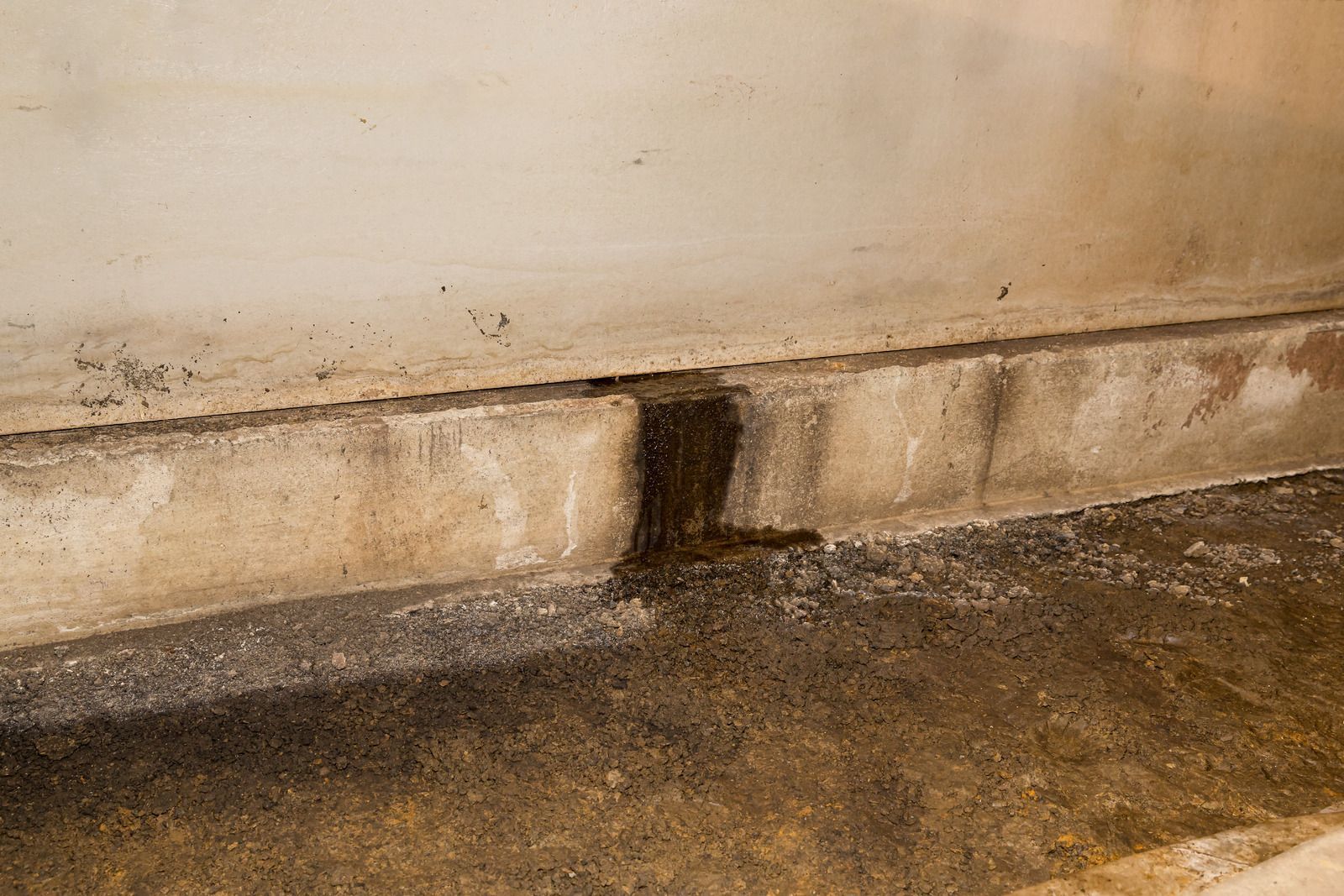
Slab leaks are a common yet often overlooked plumbing issue that can lead to extensive property damage if left untreated. Unlike visible leaks that manifest in sinks or toilets, slab leaks occur beneath the concrete foundation of a home or building. These hidden leaks are particularly concerning because they remain undetected for long periods, gradually weakening structural integrity and causing costly repairs. Understanding the underlying causes of slab leaks, as well as their potential consequences, is crucial for homeowners and property managers seeking to protect their investments and maintain safe living environments.
In addition to structural risks, slab leaks can contribute to increased water bills, mold growth, and deterioration of flooring and walls. Professional detection and repair are essential to mitigating these risks, as improper or delayed action can result in significant financial and environmental consequences. This blog delves into the causes, warning signs, and professional solutions for slab leaks, offering valuable insights for property owners. By equipping yourself with knowledge about this hidden plumbing challenge, you can take proactive steps to safeguard your home and ensure the longevity of your property’s foundation.
Understanding the Causes of Slab Leaks
Aging Plumbing Systems
One of the primary causes of slab leaks is aging plumbing infrastructure. Pipes made from outdated materials such as galvanized steel or polybutylene are prone to corrosion, cracking, and joint failures over time. Continuous exposure to water pressure and environmental stress can compromise these pipes, leading to leaks beneath the concrete slab. Regular inspection and timely replacement of aging pipes can prevent leaks before they escalate into more severe problems.
Soil Movement and Foundation Shifts
Environmental factors such as soil movement, settling, or expansion can stress plumbing lines beneath a slab foundation. In regions with clay-rich soil, seasonal moisture fluctuations often lead to soil expansion or contraction, which can shift or crack pipes. Similarly, seismic activity, poor drainage, or nearby excavation projects can disturb the foundation, creating conditions conducive to slab leaks.
Poor Installation Practices
Improper plumbing installation is another leading cause of slab leaks. Pipes that are not adequately secured, incorrectly fitted, or installed at improper angles are more likely to develop leaks over time. Additionally, low-quality materials or inadequate pressure testing during installation can increase the risk of future leaks beneath the foundation. Investing in professional installation and high-quality materials is critical for preventing these issues.
Corrosion and Electrolysis
Corrosion occurs when metallic pipes, particularly copper, react with acidic water or soil elements. This process weakens the pipe walls, eventually resulting in leaks. Electrolysis, a chemical reaction that occurs when dissimilar metals are in contact with water, can also contribute to pipe deterioration. Understanding these chemical processes is essential for homeowners and property managers to proactively maintain and replace vulnerable plumbing sections.
Recognizing the Warning Signs of Slab Leaks
Unexplained Increase in Water Bills
A sudden, unexplained spike in water bills often indicates a hidden leak beneath the slab foundation. Even small leaks can waste thousands of gallons annually, resulting in significantly higher utility costs. Monitoring water consumption and comparing monthly usage can help homeowners detect potential slab leaks early.
Warm or Damp Spots on Flooring
Slab leaks can manifest through unusual floor conditions, such as warm areas caused by hot water leaks or damp spots from cold water leaks. Flooring materials like hardwood, laminate, or tile may also show signs of warping, buckling, or discoloration. Observing these indicators promptly can prevent more extensive damage to the flooring and foundation.
Low Water Pressure or Pipe Noises
Persistent low water pressure in specific areas of a home may suggest a leak in the water supply lines beneath the slab. Additionally, unusual noises such as hissing, gurgling, or dripping sounds from the foundation area often indicate water escaping from compromised pipes. Professional leak detection tools can accurately locate these issues to prevent further damage.
Mold, Mildew, and Musty Odors
Moisture accumulation from slab leaks creates an ideal environment for mold and mildew growth. Homeowners may notice musty odors, visible mold growth along baseboards, or increased humidity in specific areas. Early detection and remediation of leaks are crucial to maintaining healthy indoor air quality and avoiding health-related complications.
Consequences of Ignoring Slab Leaks
Structural Damage
The most serious consequence of an untreated slab leak is structural damage. Water leaking beneath the foundation can erode concrete, weaken support beams, and cause floor settling or cracks. Over time, this undermines the integrity of the entire building, necessitating costly foundation repairs or replacements.
Mold and Health Hazards
Excessive moisture from slab leaks fosters mold growth, which can spread rapidly throughout walls, floors, and ceilings. Mold exposure is linked to respiratory problems, allergies, and other health complications. Addressing slab leaks promptly minimizes health risks and prevents extensive mold remediation costs.
Escalating Repair Costs
Delaying slab leak repairs often results in higher expenses. Minor leaks can evolve into major plumbing failures, requiring extensive excavation, pipe replacement, and structural repairs. Early detection and professional intervention can significantly reduce repair costs and preserve property value.
Water Waste and Environmental Impact
Hidden leaks contribute to unnecessary water waste, increasing environmental strain and utility expenses. Even a small slab leak can waste thousands of gallons annually, impacting both sustainability goals and household budgets. Repairing leaks promptly demonstrates responsible water management and environmental stewardship.
Professional Detection and Repair Solutions
Advanced Leak Detection Methods
Professional plumbers utilize advanced technology to locate slab leaks without invasive excavation. Methods such as electronic leak detection, thermal imaging, and acoustic sensors allow precise identification of leak locations beneath concrete. These tools reduce the need for extensive demolition while improving repair efficiency.
Pipe Relining and Replacement
Depending on the severity of the leak, professionals may employ pipe relining or full replacement techniques. Pipe relining involves inserting a durable epoxy liner into the existing pipe, creating a watertight seal without removing the slab. For severely damaged pipes, full replacement is necessary to ensure long-term integrity and prevent future leaks.
Excavation and Spot Repairs
In cases where relining is not feasible, targeted excavation may be required to access damaged pipes. Skilled plumbers minimize disruption by exposing only the affected area, repairing or replacing the compromised section, and restoring the concrete foundation with precision. This approach limits unnecessary structural disturbance while ensuring a reliable solution.
Preventive Maintenance and Monitoring
After repair, ongoing preventive measures are essential to avoid future slab leaks. Regular inspections, pressure monitoring, and addressing early warning signs help maintain pipe integrity. Homeowners can also consider upgrading to modern piping materials such as PEX or CPVC, which are resistant to corrosion, shifting, and chemical reactions.
Best Practices for Homeowners and Property Managers
- Routine Plumbing Inspections
Scheduling routine plumbing inspections is a proactive strategy to detect potential issues before they escalate. Professionals can assess pipe conditions, identify vulnerable areas, and recommend preventive solutions tailored to each property’s needs.
- Water Pressure Management
Excessive water pressure places stress on plumbing systems, increasing the risk of leaks. Installing pressure regulators and monitoring household pressure ensures pipes operate within safe limits, reducing the likelihood of slab leaks.
- Environmental Considerations
Understanding the impact of soil composition, foundation design, and local climate is critical for maintaining a leak-free plumbing system. Proper drainage, foundation grading, and moisture control around the building help minimize external factors that contribute to slab leaks.
- Prompt Response to Warning Signs
Homeowners and property managers should respond immediately to any signs of potential slab leaks, including unusual floor conditions, increased water bills, or low water pressure. Early intervention prevents minor issues from developing into extensive damage, preserving property value and occupant safety.
- Hiring Qualified Professionals
Slab leak detection and repair require specialized expertise, tools, and experience. Engaging licensed, insured, and experienced plumbing professionals ensures accurate diagnosis, efficient repair, and long-term reliability. Attempting DIY solutions or relying on untrained contractors often results in incomplete repairs and higher costs.
Choosing the Right Slab Leak Specialist
Credentials and Experience
Selecting a qualified plumbing company with extensive experience in slab leak detection and repair is critical. Look for certifications, years of experience, and positive customer reviews as indicators of reliability and expertise. Companies specializing in slab leaks understand the nuances of foundation plumbing and can provide tailored solutions.
Technology and Equipment
Advanced equipment improves the accuracy and efficiency of slab leak repairs. A reputable plumbing service should utilize state-of-the-art detection tools, non-invasive repair techniques, and high-quality materials to minimize disruption and ensure lasting results.
Transparent Pricing and Service Guarantees
Professional plumbers should offer transparent pricing, detailed explanations of repair options, and service guarantees. Clear communication ensures homeowners understand the scope of work, associated costs, and expected outcomes, reducing surprises and building trust.
Long-Term Support
A reliable plumbing company provides ongoing support, maintenance recommendations, and emergency services. Long-term partnerships with trusted professionals enable homeowners to manage plumbing systems proactively and respond swiftly to any future concerns.
Maintaining Property Value with Effective Leak Management
Slab leaks present a unique challenge due to their concealed nature and potential for widespread damage. Aging pipes, foundation shifts, poor installation, and corrosion all contribute to these leaks, while warning signs like unexplained water bills, damp flooring, and mold growth signal the need for immediate attention. Ignoring slab leaks can result in structural compromise, health hazards, water waste, and escalating repair costs. The most effective approach involves early detection, professional repair, and preventive maintenance to safeguard both property value and occupant safety.
At Star Plumbing and Drains, located in Muskogee, Oklahoma, we bring 20
years of experience in handling slab leaks and other complex plumbing challenges. Our team combines advanced technology, precise diagnostic tools, and proven repair techniques to deliver reliable, long-lasting solutions. We prioritize clear communication, transparent pricing, and personalized service, ensuring every client receives expert care tailored to their home’s unique needs. Trust Star Plumbing and Drains for
professional slab leak detection, repairs, and maintenance that protect your property, preserve your investment, and give you confidence in your plumbing system.