The Importance of Professional Water Filtration Systems for Clean Drinking Water
March 25, 2026
Access to clean, safe drinking water is a fundamental human necessity, yet many households and businesses unknowingly consume water contaminated with impurities. From microscopic pathogens to chemical pollutants, untreated water can carry a range of harmful substances that compromise health. In recent years, growing awareness about water quality has prompted homeowners, commercial establishments, and public facilities to seek reliable filtration solutions. Professional water filtration systems have emerged as an essential investment, ensuring water safety, taste, and overall well-being.
Unlike basic filters or bottled water, professionally installed filtration systems provide comprehensive treatment for contaminants such as chlorine, heavy metals, sediments, and harmful microorganisms. They are designed to meet rigorous quality standards, offering consistent performance, longevity, and adaptability to varying water sources. The importance of these systems goes beyond individual health; they also contribute to environmental sustainability by reducing the reliance on single-use plastics and preventing long-term damage to plumbing infrastructure. In a world where water quality challenges are increasingly complex, understanding and implementing professional filtration solutions is no longer optional—it’s vital for safeguarding both health and the environment.
Understanding Water Contamination: Sources and Risks
Common Contaminants in Drinking Water
Drinking water can carry a broad spectrum of contaminants, each posing unique risks. Microbial contaminants such as bacteria, viruses, and protozoa are responsible for waterborne illnesses. Chemical contaminants, including lead, arsenic, pesticides, and nitrates, can accumulate over time, leading to chronic health issues such as kidney damage, neurological disorders, or developmental problems in children. Sediments and particulates, while less harmful, can affect taste, odor, and appliance efficiency. Recognizing these pollutants is the first step toward effective water safety management.
Real-World Risks and Health Implications
In many areas, municipal water treatment may not fully eliminate all harmful substances, particularly in older plumbing systems or regions with industrial contamination. For instance, lead contamination remains a persistent concern in homes with aging pipes. Similarly, agricultural runoff introduces nitrates and pesticides into local water supplies, which can be harmful if consumed over time. The consequences of inadequate water filtration are not limited to immediate illness; long-term exposure to certain contaminants can increase the risk of serious conditions like cancer, reproductive issues, or compromised immune function. Professional filtration systems are designed to mitigate these risks, providing peace of mind and protecting household and commercial users alike.
How Professional Filtration Systems Work
Types of Filtration Systems
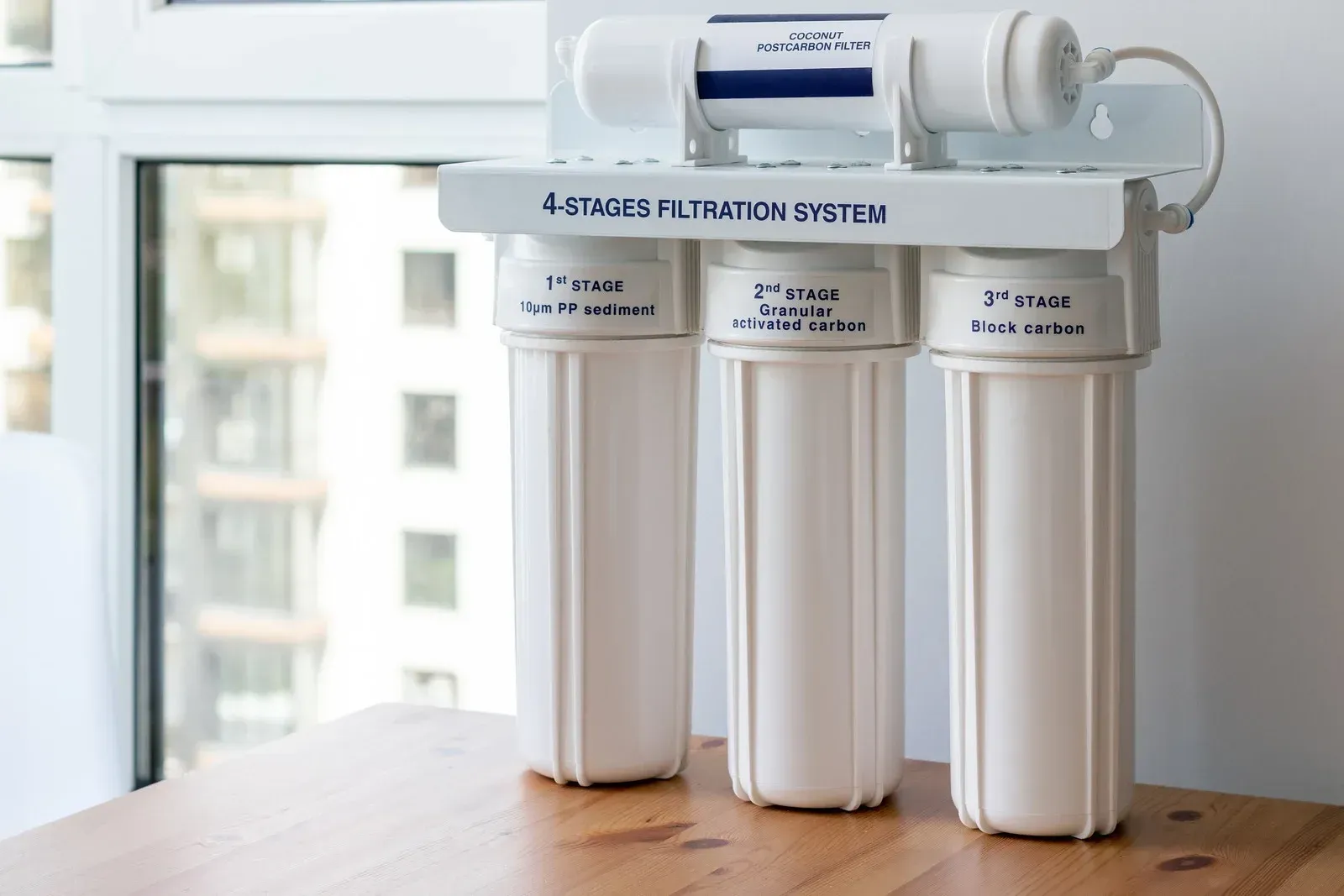
Professional water filtration systems employ a variety of technologies to remove contaminants effectively. Some of the most common include:
- Reverse Osmosis (RO):
Utilizes a semipermeable membrane to remove dissolved salts, heavy metals, and impurities.
- Activated Carbon Filters:
Trap chemicals, chlorine, and volatile organic compounds (VOCs), improving taste and odor.
- UV Purification:
Uses ultraviolet light to neutralize bacteria, viruses, and protozoa.
Water Softeners: Target minerals like calcium and magnesium that cause hardness, improving both water quality and appliance longevity.
Each system is tailored to address specific water quality issues, often combining multiple methods for comprehensive treatment.
Installation and Maintenance Considerations
Professional systems are installed following precise engineering guidelines to ensure optimal performance. Proper installation includes pre-treatment checks, flow rate calibration, and system monitoring. Regular maintenance, such as filter replacement, membrane cleaning, and sanitization, is essential to prevent bacterial growth and maintain filtration efficiency. Unlike DIY or over-the-counter filters, professional systems offer structured service schedules, performance monitoring, and warranties that safeguard both investment and water quality over time.
Benefits of Investing in Professional Filtration
Health and Safety Advantages
The most immediate benefit of professional water filtration is improved health. By removing harmful microorganisms, heavy metals, and chemicals, these systems drastically reduce the risk of waterborne diseases and long-term health issues. Families with young children, elderly members, or individuals with compromised immune systems experience particularly significant advantages. Additionally, filtration can eliminate unpleasant tastes and odors, making water consumption more appealing and encouraging proper hydration.
Economic and Environmental Benefits
Beyond health, professional filtration systems can provide financial and environmental advantages. By reducing reliance on bottled water, households save money while decreasing plastic waste. Effective filtration also protects plumbing, appliances, and fixtures from sediment buildup, extending their lifespan and lowering maintenance costs. Commercial establishments, such as restaurants, laboratories, and healthcare facilities, benefit from consistent water quality, which safeguards operational efficiency and reputation. By investing in professional filtration, users achieve a balance of economic, environmental, and health-related returns that DIY solutions cannot match.
Challenges and Common Misconceptions
Addressing Water Quality Misconceptions
Many consumers underestimate the risks posed by municipal water or believe that basic pitchers and faucet filters are sufficient. While these solutions can improve taste or remove some sediments, they do not provide comprehensive protection against chemical contaminants or pathogens. Another misconception is that filtered water is only necessary for areas with visibly poor water quality. In reality, even crystal-clear water can carry dissolved chemicals or microorganisms that pose long-term risks. Professional filtration systems ensure a higher standard of safety by targeting a wide range of potential contaminants.
Installation and Maintenance Challenges
Although professional systems offer significant benefits, they require proper planning and upkeep. Homeowners may face challenges such as system sizing, selecting the right filtration technology, or scheduling regular maintenance. In commercial settings, demands for higher flow rates, compliance with regulatory standards, and integration with existing plumbing infrastructure can complicate installation. Partnering with experienced professionals ensures that these challenges are addressed efficiently, reducing downtime and maximizing system effectiveness.
Best Practices for Maintaining Optimal Filtration
- Routine Monitoring and Testing
Maintaining water quality is an ongoing process. Regular testing of water for contaminants ensures that filtration systems are functioning as intended. Professional technicians can perform periodic water analyses, identify emerging issues, and adjust system components accordingly. Monitoring helps detect early signs of filter clogging, membrane degradation, or microbial growth, preventing performance decline before it impacts users.
- Proactive Filter Replacement and System Care
Filters and membranes have finite lifespans and require timely replacement. Adhering to manufacturer-recommended schedules prevents bypass of contaminants and maintains consistent water flow. System sanitization and inspection are equally important, particularly in environments with high water usage or variable water sources. By following best practices, users extend the life of their system, reduce maintenance costs, and guarantee safe drinking water year-round.
- Integrating Water Filtration into Daily Life
Beyond technical maintenance, professional water filtration promotes broader water stewardship. Households can pair filtration systems with water conservation practices, such as efficient fixtures and mindful consumption, reducing environmental impact. Businesses can leverage filtration for operational excellence, ensuring product quality, customer safety, and compliance with health regulations. Integrating professional filtration into daily life creates a holistic approach to water management, supporting health, efficiency, and sustainability simultaneously.
Emerging Trends and Technological Advancements
Smart Filtration and IoT Integration
Modern filtration systems increasingly incorporate digital monitoring and smart technologies. IoT-enabled systems can track water quality in real-time, alerting users to potential issues via mobile apps or dashboards. These innovations allow for predictive maintenance, ensuring filters are replaced before performance declines, and provide valuable data for households and businesses seeking comprehensive water management solutions.
Sustainable and Eco-Friendly Solutions
Environmental concerns are driving innovation in filtration technology. Many professional systems now prioritize energy efficiency, low waste, and sustainable materials. For example, advanced membranes and cartridge designs reduce water waste during purification processes, while biodegradable or recyclable components minimize environmental impact. Investing in professional systems not only ensures clean drinking water but also aligns with modern sustainability goals, making responsible water consumption a priority for future generations.
Expert Insights: Real-World Scenarios
Residential Applications
In residential settings, professional water filtration systems address both everyday needs and potential emergencies. For instance, a household reliant on well water benefits from comprehensive filtration that neutralizes bacteria, heavy metals, and sediment, ensuring safe drinking water even in areas prone to seasonal contamination. Families with specific health concerns, such as allergies or sensitivities to chemicals, gain measurable benefits from advanced filtration technologies, which deliver pure, safe water consistently.
Commercial and Industrial Applications
Businesses, particularly in the food, healthcare, and laboratory sectors, require precise water quality standards. Professional filtration systems maintain operational integrity by eliminating contaminants that could compromise product quality, equipment performance, or regulatory compliance. For example, a restaurant employing reverse osmosis water filtration ensures that beverages, cooking, and ice meet safety standards, while laboratories use UV purification to safeguard experiments and procedures from microbial interference. Expertly installed systems provide reliability, efficiency, and peace of mind in high-stakes environments.
Reliable Filtration Services From Experienced Water Specialists
Clean, safe drinking water is a critical necessity, and professional water filtration systems provide the most reliable means of ensuring it. From removing harmful chemicals and microorganisms to improving taste and protecting plumbing, these systems deliver comprehensive benefits that extend across health, economic, and environmental dimensions. By investing in professional filtration, users mitigate long-term risks, support sustainability, and achieve peace of mind knowing their water meets the highest quality standards.
For residents and businesses in Muskogee, Oklahoma, Star Plumbing and Drains stands as a trusted authority in water filtration solutions. With over 20 years of experience, Star Plumbing and Drains specializes in installing, maintaining, and servicing professional water filtration systems designed to meet diverse needs. Their team combines technical expertise with personalized guidance, ensuring optimal system performance and safe drinking water for every client. Committed to reliability, quality, and customer satisfaction, Star Plumbing and Drains is the local partner you can depend on for a healthier, cleaner water experience.