How Pros Find a Slab Leak Without Tearing Up Your Floors
September 19, 2026
Slab leaks are among the most serious plumbing problems a property can face, combining hidden development, structural risk, and the potential for significant water damage all at once. Early detection through professional diagnostic tools, followed by the right repair method for the specific conditions, is the framework that prevents a manageable problem from becoming a major structural event. Protecting your foundation, your indoor environment, and your plumbing investment requires working with licensed professionals who understand both the detection science and the repair techniques that deliver lasting results. Taking action at the first warning sign is always the right decision.
At Star Plumbing and Drains, we have spent more than 20
years serving property owners across Muskogee, Oklahoma with the kind of hands-on expertise that slab leak detection and repair demands. We bring advanced diagnostic technology to every service call, including electronic leak detection, thermal imaging, and video pipe inspection, so we can pinpoint the problem without unnecessary demolition. Our repair approach is tailored to what each plumbing system actually needs, whether that means a targeted spot repair, a full pipe reroute, or a trenchless epoxy lining solution. We understand the Muskogee region's soil conditions, water quality characteristics, and the plumbing challenges common to local homes and commercial properties. When you work with us, you work with a team that has seen and resolved slab leak situations across every complexity level. We stand behind our work with a commitment to transparent communication, accurate diagnosis, and repairs built to last. Star Plumbing and Drains
is the name Muskogee property owners call when the problem is under the slab and the stakes are high.
Professional Solutions Backed by Decades of Plumbing Knowledge
Where to feel for it
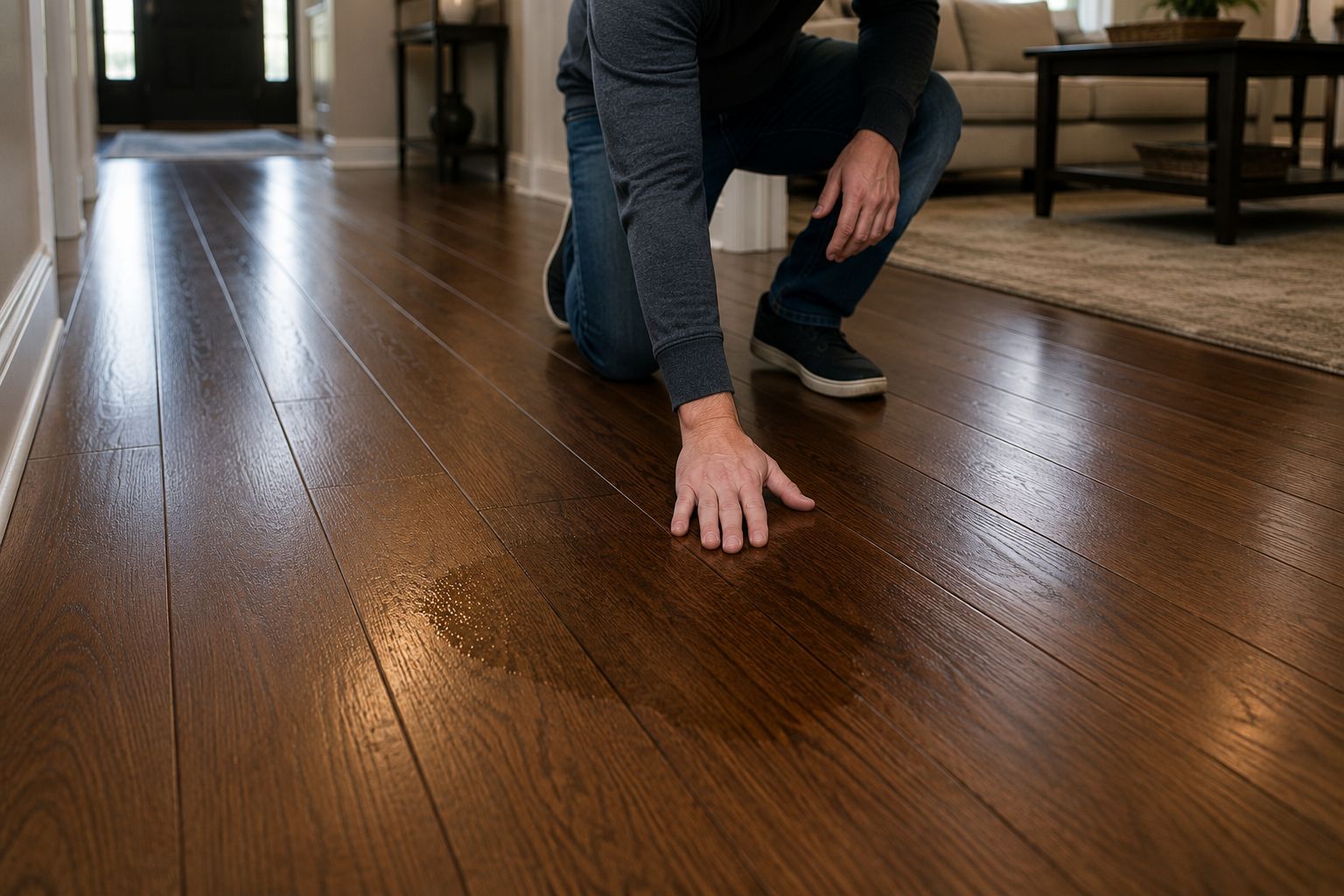
A warm floor signals more than a plumbing inconvenience. Escaping hot water wastes energy and increases utility costs while creating constant moisture beneath the slab. Over time, damp conditions encourage mold growth, damage flooring materials, weaken structural support, and contribute to foundation movement if repairs are delayed.
Quick Answer: Finding a slab leak today relies on a sequence of non-invasive tools rather than trial-and-error demolition — acoustic listening equipment to hear water escaping through concrete, thermal imaging to spot the heat signature of a hot-water leak, tracer gas and pressure testing for leaks that give off no heat, and moisture mapping to confirm what the other tools suggest. A technician layers two or three of these methods together and cross-checks the results before marking a spot on your floor. Only after that confirmation does anyone decide whether the fix calls for opening a small section of slab, rerouting the line, or tunneling underneath it.
The word "slab leak" tends to conjure a specific image: a crew with jackhammers working section by section across your living room until they finally hit the broken pipe. That image is decades out of date. The actual process a technician runs through today looks a lot more like diagnostic troubleshooting than demolition, and most of it happens before a single tool touches your concrete.
Confirming There's Really a Leak Before Anyone Starts Looking
Locating a leak's exact position only matters once you know one exists in the first place, so every proper diagnostic visit starts here rather than jumping straight to sensors.
The Water Meter Is The First Instrument, And It Costs Nothing To Check
With every fixture and appliance shut off, a technician watches the meter’s low-flow indicator. It should remain completely still when no water is being used. Any movement suggests a hidden leak, helping rule out toilets, irrigation valves, and other potential sources.
Narrowing Down Hot Side Versus Cold Side Comes Next
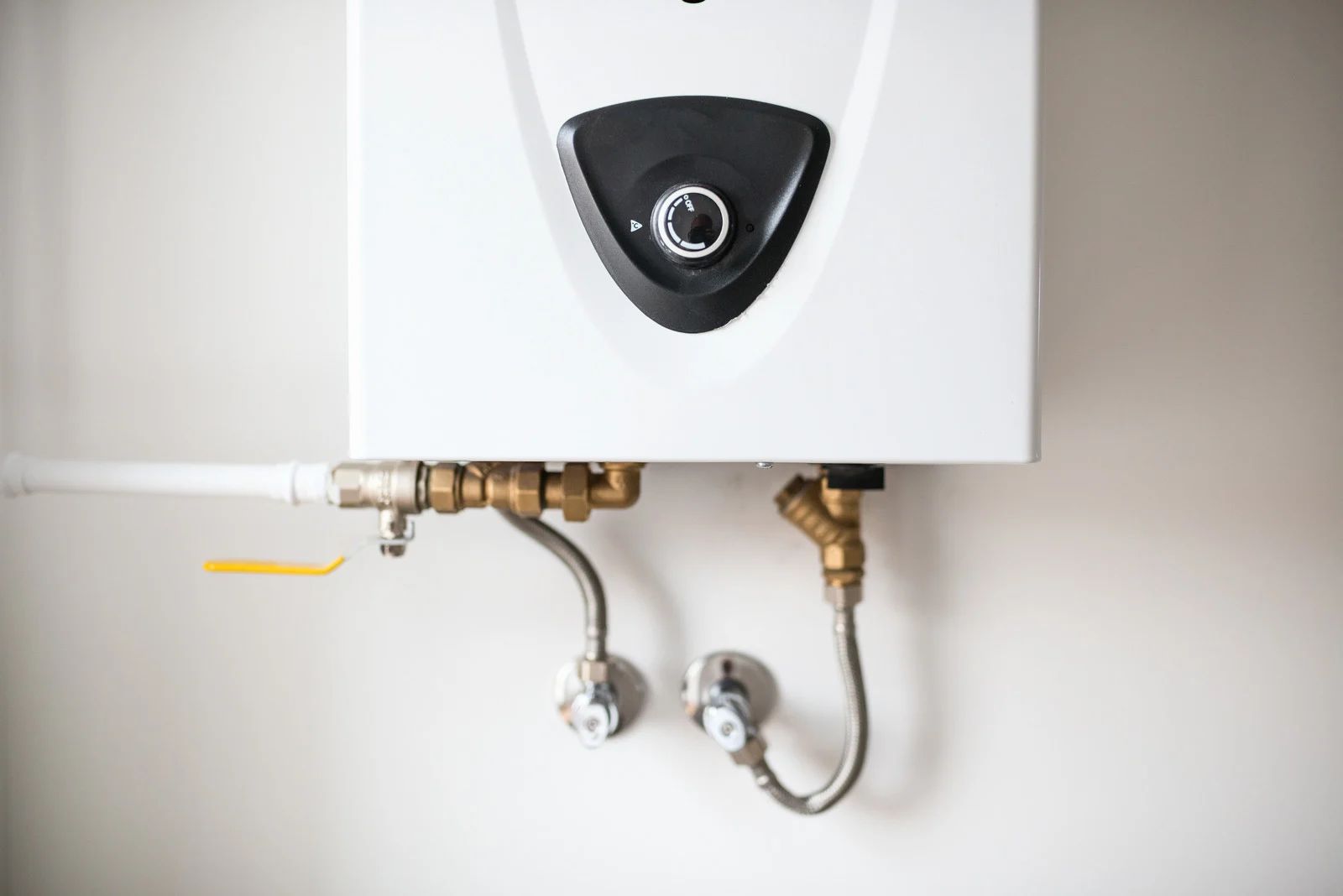
A technician can shut off the water heater’s supply valve and observe the meter. If movement slows or stops, the leak is likely on the hot-water side. Continued movement points toward cold-water piping, guiding the next diagnostic steps.
Tip:
If you've already run your own water-meter test at home before calling anyone, tell the technician your result and roughly what time of day you checked it. That detail — plus whether you noticed the sound of water running when everything was off — narrows the starting search area and can shave real time off the visit.
Listening for the Leak: Acoustic Detection
Once a leak is confirmed, acoustic equipment is usually the first tool that comes out of the truck, because it works on nearly any pressurized line and doesn't require opening anything.
Water Under Pressure Makes A Specific Sound As It Escapes
A pinhole or crack releases pressurized water into surrounding soil and concrete, creating turbulence that produces a steady tone. A technician uses a sensitive ground microphone along the suspected pipe route, listening through headphones as the sound becomes louder closer to the leak.
Reading The Sound Takes Trained Ears, Not Just Good Equipment
Background noise from appliances, traffic, or an HVAC system can mask or mimic leak sounds. Technicians therefore work during quieter periods and scan systematically. They compare sound levels across multiple points, identifying where the reading peaks before dropping in every direction.
Correlator Equipment Adds A Second Layer Of Confirmation
For difficult leaks, technicians place microphones at two known points along the pipe, allowing specialized correlator equipment to calculate the leak’s location based on sound travel time. This method provides valuable confirmation when long pipe runs make single-microphone searches slower.
Reading Heat Through the Floor: Thermal Imaging
For a hot-water leak specifically, thermal imaging often confirms what the acoustic sweep already suggested, and sometimes finds the spot faster.
Escaping Hot Water Changes The Temperature Of Everything Around It
As hot water escapes beneath a slab, it warms nearby concrete and surrounding flooring. An infrared camera detects these surface temperature differences, creating a heat map that can reveal warmer areas above the leak compared with cooler sections of the floor nearby.
This Tool Works Best On Hot Lines And Is Far Less Useful On Cold Ones
Cold-water leaks usually create little temperature contrast, making thermal imaging less reliable. Technicians also account for sunlight, heating vents, and rugs that can create false warm spots. A thermal signature provides a useful lead, but requires additional confirmation.
Combining The Heat Map With The Acoustic Result Narrows The Target Considerably
When thermal imaging identifies a warm area and acoustic testing finds a matching sound peak, technicians gain stronger confidence about the leak location. That overlap helps determine the precise repair access point, reducing unnecessary slab cutting and limiting disruption to flooring.
When the Leak Runs Cold: A Different Set of Tools
A cold-water slab leak is harder to pin down. It skips the heat signature that makes hot-side leaks easier to see, and it often runs quieter than a leak under higher hot-water-line pressure.
Tracer Gas Fills In Where Heat Can't Help
With the suspected pipe section drained and isolated, a technician introduces an inert tracer gas mixture and pressurizes the line. The gas escapes through tiny cracks and rises toward the surface, where a detector identifies increased concentration directly above the leak.
Moisture Mapping Backs Up Whatever The Other Tools Point To
A non-invasive moisture meter measures dampness across flooring or concrete without penetrating surfaces. One elevated reading cannot confirm a leak because spills, humidity, or nearby drains can interfere. Combined with acoustic or tracer-gas results, matching moisture patterns strengthen the diagnosis.
Pressure Decay Testing Confirms The Leak Is Real And Roughly Locates Which Section Holds It
A technician isolates individual pipe sections, pressurizes them, and monitors the gauge for pressure loss. A stable reading indicates sound piping, while faster pressure loss identifies the damaged section. This helps narrow the search to specific runs, whether hot or cold.
Slab leaks are among the most serious plumbing problems a property can face, combining hidden development, structural risk, and the potential for significant water damage all at once. Early detection through professional diagnostic tools, followed by the right repair method for the specific conditions, is the framework that prevents a manageable problem from becoming a major structural event. Protecting your foundation, your indoor environment, and your plumbing investment requires working with licensed professionals who understand both the detection science and the repair techniques that deliver lasting results. Taking action at the first warning sign is always the right decision.
At Star Plumbing and Drains, we have spent more than 20
years serving property owners across Muskogee, Oklahoma with the kind of hands-on expertise that slab leak detection and repair demands. We bring advanced diagnostic technology to every service call, including electronic leak detection, thermal imaging, and video pipe inspection, so we can pinpoint the problem without unnecessary demolition. Our repair approach is tailored to what each plumbing system actually needs, whether that means a targeted spot repair, a full pipe reroute, or a trenchless epoxy lining solution. We understand the Muskogee region's soil conditions, water quality characteristics, and the plumbing challenges common to local homes and commercial properties. When you work with us, you work with a team that has seen and resolved slab leak situations across every complexity level. We stand behind our work with a commitment to transparent communication, accurate diagnosis, and repairs built to last. Star Plumbing and Drains
is the name Muskogee property owners call when the problem is under the slab and the stakes are high.
Professional Solutions Backed by Decades of Plumbing Knowledge
Where to feel for it
A warm floor signals more than a plumbing inconvenience. Escaping hot water wastes energy and increases utility costs while creating constant moisture beneath the slab. Over time, damp conditions encourage mold growth, damage flooring materials, weaken structural support, and contribute to foundation movement if repairs are delayed.
Cross-Checking Before Anyone Marks the Floor
No single tool gets treated as the final word, and that's by design rather than caution for its own sake.
Two Independent Methods Agreeing Is The Real Threshold
An acoustic peak provides a strong lead, but confirmation comes when it matches thermal imaging, moisture readings, or pressure-test results. Using multiple methods helps technicians pinpoint the leak accurately and avoid opening unnecessary sections of concrete during repairs.
A Quick Visual Pass Rules Out What The Sensors Can't
Before confirming a leak location, technicians inspect accessible plumbing beneath sinks, around water heaters, and near exterior hose bibs. This can uncover visible leaks unrelated to the slab, such as loose supply lines, preventing unnecessary concrete cutting and repairs.
Warning:
Some slabs are built with post-tension cables — steel cables under significant tension that run through the concrete to reinforce it. Cutting into a post-tension slab without knowing exactly where those cables run can cause a cable to snap violently, which is a genuine safety hazard and can compromise the structural integrity of the floor. This is one of the clearest reasons not to attempt DIY excavation on a suspected slab leak, and why a professional checks for post-tension construction before any concrete gets cut, not after.
Choosing How to Fix It: Direct Access, Reroute, or Tunnel
Finding the leak and deciding how to repair it are two separate steps, and the diagnostic results from the first step largely dictate the second.
A Single, Isolated Leak Often Calls For Direct Access
When diagnostics identify one clearly defined leak and the surrounding pipe remains sound, a technician can open a small slab section directly above it. The damaged pipe is repaired or replaced, then the opening is patched, minimizing disruption to nearby flooring and finishes.
Rerouting Avoids The Slab Altogether
Instead of repairing buried piping, a technician installs a new line through the attic, wall, or crawlspace, completely bypassing the damaged section. This works well when multiple weak points exist, especially in older Tulsa homes with aging galvanized steel supply lines that may develop additional leaks.
Tunneling Accesses The Pipe From Underneath Instead Of Above
Tunneling allows crews to reach damaged piping from beneath the concrete without cutting through interior flooring. A narrow tunnel is excavated from outside the foundation, preserving tile, hardwood, and other finishes. This approach suits homes where slab access would cause costly disruption.
What to Expect When a Technician Comes Out
Knowing the general order of a service call makes the whole process feel less like a mystery once someone is actually standing in your kitchen.
The visit starts with questions, not equipment. Expect to be asked when you first noticed a sign, a warm spot, a sound, a rising bill and whether it's gotten more noticeable over time. That timeline, combined with which fixtures are nearby, gives a technician a working theory before any tool comes out.
The meter test and hot/cold isolation happen early, usually within the first several minutes. From there, the technician moves into acoustic listening, then adds thermal imaging, tracer gas, or pressure testing depending on what the first pass suggests and whether the leak looks to be on the hot or cold side.
You'll typically see the evidence before any decision gets made about opening the floor.
A technician who has done this long enough will usually walk you through what the acoustic reading showed, what the thermal camera picked up, or where the pressure test isolated the problem, so the decision about direct access, rerouting, or tunneling isn't just handed to you — it's explained.
Frequently Asked Questions
How long does it take to actually locate a slab leak once a technician arrives?
For a clear hot-water leak with matching acoustic and thermal signatures, locating it often takes under an hour. A quiet cold-water leak needing tracer gas or repeated pressure testing can sometimes take much longer instead.
Is thermal imaging enough on its own to find a slab leak?
Not on its own. Thermal imaging spots a hot-water leak's heat signature well, but sunlight, heating vents, or rugs can create false warm patches. It works best paired with an acoustic reading or moisture check.
Can a slab leak be found without any water shutoff to the house?
Some steps, like an acoustic sweep, need no shutoff. The meter test requires every fixture off, and pressure testing or tracer gas needs drained lines, so expect brief interruptions rather than just a full day.
Why would a plumber recommend tunneling instead of just cutting into the floor?
Tunneling gets chosen when opening the slab from above isn't a good option, often because finished flooring would be costly to replace, or because post-tension cables make cutting risky. It leaves interior floors completely undisturbed.
If one section of pipe fails, does that mean the rest of the line is about to fail too?
Not necessarily. A single pinhole in an otherwise sound line is often just that, one weak point. Corrosion in an older galvanized line signals more failures may follow, shaping whether repair or reroute makes sense.
Getting a Clear Answer Before Any Digging
A warm spot on the tile or running water in a quiet house rarely explains itself. What changes the outcome is the sequence: a meter test confirms a leak exists, acoustic listening and thermal imaging narrow the search, and tracer gas or pressure testing steps in when a leak runs quiet or cold. Two methods landing on the same spot turn a guess into an answer, and that agreement is what a homeowner deserves before any floor gets opened.
Star Plumbing and Drains
runs that same process on
every slab leak
call around Muskogee, OK, layering acoustic detection with thermal imaging and pressure testing until the evidence agrees before recommending direct access, rerouting, or a trenchless repair. With 20
years of licensed plumbing experience, the team walks homeowners through what the equipment actually found, so the choice between opening a small section of slab, running a new line, or tunneling underneath makes sense before any decision gets made.