No Hot Water This Morning? What to Check First
August 19, 2026
Slab leaks are among the most serious plumbing problems a property can face, combining hidden development, structural risk, and the potential for significant water damage all at once. Early detection through professional diagnostic tools, followed by the right repair method for the specific conditions, is the framework that prevents a manageable problem from becoming a major structural event. Protecting your foundation, your indoor environment, and your plumbing investment requires working with licensed professionals who understand both the detection science and the repair techniques that deliver lasting results. Taking action at the first warning sign is always the right decision.
At Star Plumbing and Drains, we have spent more than 20
years serving property owners across Muskogee, Oklahoma with the kind of hands-on expertise that slab leak detection and repair demands. We bring advanced diagnostic technology to every service call, including electronic leak detection, thermal imaging, and video pipe inspection, so we can pinpoint the problem without unnecessary demolition. Our repair approach is tailored to what each plumbing system actually needs, whether that means a targeted spot repair, a full pipe reroute, or a trenchless epoxy lining solution. We understand the Muskogee region's soil conditions, water quality characteristics, and the plumbing challenges common to local homes and commercial properties. When you work with us, you work with a team that has seen and resolved slab leak situations across every complexity level. We stand behind our work with a commitment to transparent communication, accurate diagnosis, and repairs built to last. Star Plumbing and Drains
is the name Muskogee property owners call when the problem is under the slab and the stakes are high.
Professional Solutions Backed by Decades of Plumbing Knowledge
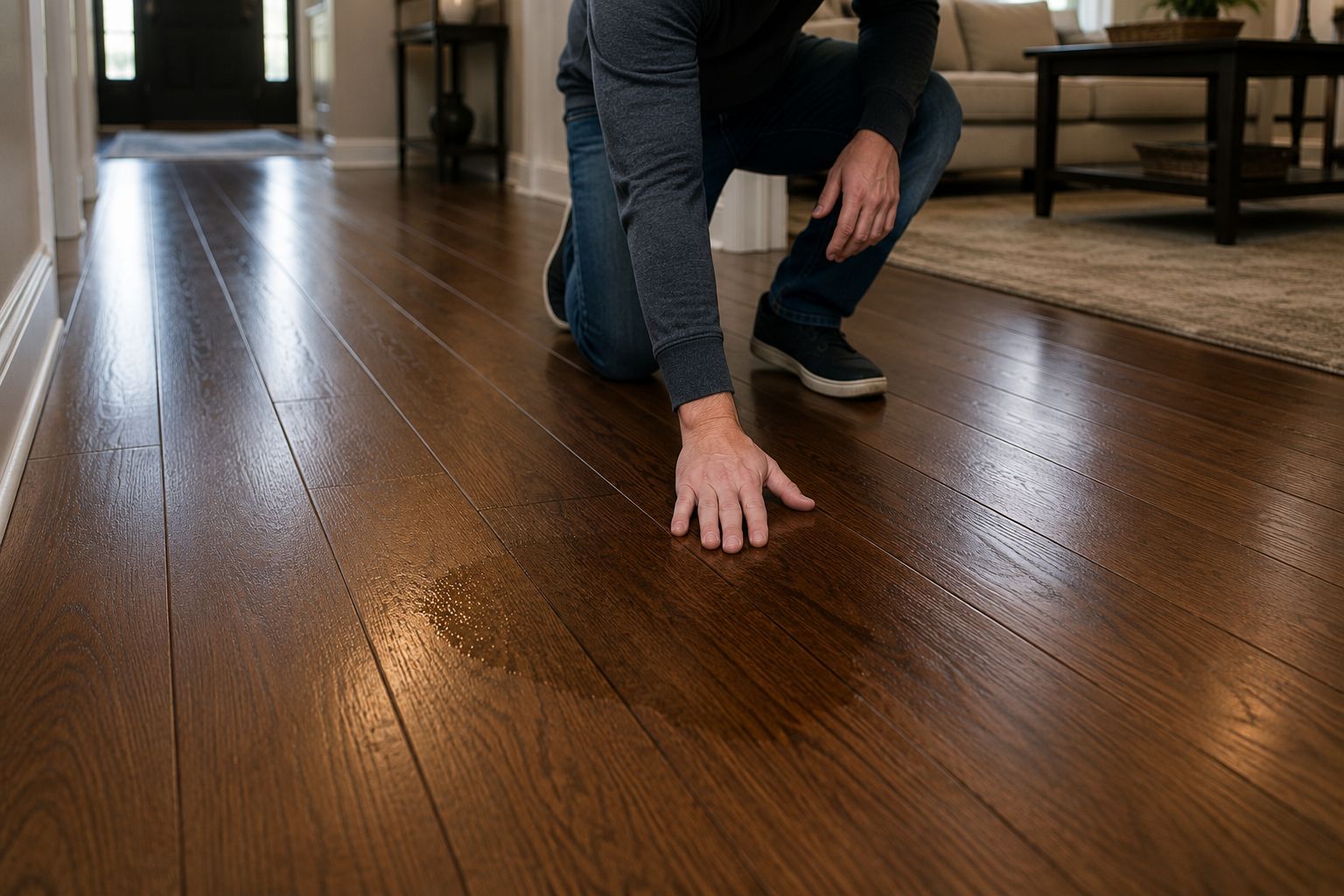
Where to feel for it
A warm floor signals more than a plumbing inconvenience. Escaping hot water wastes energy and increases utility costs while creating constant moisture beneath the slab. Over time, damp conditions encourage mold growth, damage flooring materials, weaken structural support, and contribute to foundation movement if repairs are delayed.
Quick Answer: If you turn on the tap and get nothing but cold water, start with the basics: confirm the breaker for the water heater hasn't tripped, check whether a gas unit's pilot light is still burning, and glance at the thermostat setting to rule out something as simple as a bumped dial. A tripped breaker, an unlit pilot, or a thermocouple that's given out account for most sudden, total loss of hot water. If the breaker keeps tripping again once reset, the pilot won't stay lit after a couple of tries, or you smell gas anywhere near the unit, stop troubleshooting and call a plumber. Those signs point to a failed part or a safety issue rather than something you should keep testing on your own.
Simple Checks When Your Water Heater Stops Working
You reach for the shower handle on a cold Tulsa morning, wait for the water to warm up, and it never does. Maybe the whole house went from hot to cold overnight, or maybe you knew last night something felt off and woke up to confirm it. Either way, the instinct is to assume the worst: a dead water heater, a repair bill, a scramble to find someone who can come out today. Most mornings, though, the actual cause is smaller than that first jolt of cold water suggests.
A water heater going from working fine to producing nothing usually traces back to one of a handful of parts, and several of them you can check yourself in under five minutes. Here's how to work through it in order, what each check is telling you, and where the line sits between "reset it and move on" and "this needs a professional."
Start With the Power, Not the Tank
Find your unit's breaker first
Before you touch anything on the water heater itself, walk to your electrical panel. Electric water heaters run on a dedicated 240-volt circuit, usually a double-pole breaker labeled "water heater" or something close to it. Look for a breaker sitting in the middle position rather than fully on or off — that middle position is the telltale sign of a trip, even when it looks close to "on" at a glance. Flip it fully off, then fully on, and give the tank thirty minutes before you check the water again.
Gas units still have an electrical piece
Even a gas water heater with a standing pilot usually has a small control board or igniter that draws power, so don't skip the panel just because your unit runs on gas. A tripped breaker on that circuit can stop ignition even though gas is flowing fine to the burner.
A breaker that trips again right away is a different problem
If you reset it and it holds, you're likely done. If it trips again within a few minutes, or trips as soon as you flip it, that points to a short or a failed heating element pulling too much current, and resetting it repeatedly isn't a fix. That's a sign to stop and call a plumber rather than keep flipping the switch.
For Gas Water Heaters: The Pilot Light and Beyond
Check the viewing window
Most gas water heaters have a small glass window low on the front of the tank where you can see the pilot flame. A steady, small blue flame means the pilot's fine and the problem is elsewhere. No flame at all means it's gone out, which can happen from a draft, a brief interruption in gas supply, or old age in the parts that keep it lit.
Relighting takes patience, not force
Your unit should have relighting instructions printed on a plate near the control valve. In general, you turn the gas knob to "pilot," hold it down while pressing the igniter, and keep holding for close to a full minute so the flame has time to heat the thermocouple — the small sensor that tells the gas valve it's safe to stay open. Let go too soon and the pilot goes right back out.
A pilot that won't hold is telling you something
If the flame lights but dies again once you release the knob, even after two or three attempts, the thermocouple has likely worn out and needs replacing. It's an inexpensive part, but it sits inside the burner assembly, and getting it wrong on a gas appliance isn't the place to guess. This is a fair line to hand off to a professional rather than keep working at it yourself.
Warning:
If you smell gas anywhere near the water heater — a rotten-egg odor is the giveaway — do not attempt to light the pilot, flip any switches, or use anything that could spark. Leave the gas control knob alone, get everyone out of the area, and call your gas utility or a licensed plumber right away. A gas smell means a leak, not a pilot that simply needs relighting, and it's a safety call, not a repair task.
For Electric Water Heaters: Elements and the Reset Button
Look for a red reset button
Behind the upper access panel on most electric tanks sits a small red button — the high-temperature cutoff. It trips when the water gets hotter than it should, often because a thermostat has failed, and once it trips, the whole unit stops heating until someone presses it back in. Turn the breaker off first, remove the panel and insulation, and press the button firmly. If it trips again shortly after, a thermostat or heating element has failed and needs replacing rather than repeated resets.
Two elements, two possible failures
Most tanks have an upper and lower heating element, and either one can burn out independently. If the upper element fails, you may get a small amount of lukewarm water before it runs cold, since the lower element still heats what's left in the tank. A dead lower element behaves differently and can leave you with a short burst of hot water that fades fast. Diagnosing which element failed takes a multimeter and the power fully disconnected, which is where most homeowners hand it off.
Check the thermostat setting itself
It sounds too simple to matter, but a dial bumped during cleaning, or a slider that's drifted low over time, can leave the water heater technically running while producing water that never gets past lukewarm. Most manufacturers set a working range between 120°F and 140°F. If yours is dialed near the bottom of that range or below it, nudge it up and give the tank a couple of hours before testing again.
When the Tank Isn't Broken — It's Just Empty
Sometimes nothing is actually wrong with the water heater, and the real story is demand. On a hard-freeze morning when everyone showers back-to-back before school and work, a standard tank can run through its stored hot water faster than it recovers, especially if the incoming groundwater is colder than usual, which drags out how long a full recovery cycle takes. That's a temporary, one-morning problem rather than a failure, and it usually resolves once the household spreads out its hot water use or the tank gets a couple of hours to catch back up.
Tip:
If running out seems to happen every cold snap and not just once, that's less about a fluke morning and more about your household outgrowing the tank's recovery rate for winter demand. Worth a conversation with a plumber about whether your current unit still matches how your family actually uses hot water, separate from anything being broken.
Slab leaks are among the most serious plumbing problems a property can face, combining hidden development, structural risk, and the potential for significant water damage all at once. Early detection through professional diagnostic tools, followed by the right repair method for the specific conditions, is the framework that prevents a manageable problem from becoming a major structural event. Protecting your foundation, your indoor environment, and your plumbing investment requires working with licensed professionals who understand both the detection science and the repair techniques that deliver lasting results. Taking action at the first warning sign is always the right decision.
At Star Plumbing and Drains, we have spent more than 20
years serving property owners across Muskogee, Oklahoma with the kind of hands-on expertise that slab leak detection and repair demands. We bring advanced diagnostic technology to every service call, including electronic leak detection, thermal imaging, and video pipe inspection, so we can pinpoint the problem without unnecessary demolition. Our repair approach is tailored to what each plumbing system actually needs, whether that means a targeted spot repair, a full pipe reroute, or a trenchless epoxy lining solution. We understand the Muskogee region's soil conditions, water quality characteristics, and the plumbing challenges common to local homes and commercial properties. When you work with us, you work with a team that has seen and resolved slab leak situations across every complexity level. We stand behind our work with a commitment to transparent communication, accurate diagnosis, and repairs built to last. Star Plumbing and Drains
is the name Muskogee property owners call when the problem is under the slab and the stakes are high.
Professional Solutions Backed by Decades of Plumbing Knowledge
Where to feel for it
A warm floor signals more than a plumbing inconvenience. Escaping hot water wastes energy and increases utility costs while creating constant moisture beneath the slab. Over time, damp conditions encourage mold growth, damage flooring materials, weaken structural support, and contribute to foundation movement if repairs are delayed.
Signs You're Past the Point of DIY
A handful of situations move a no-hot-water morning from "check it yourself" to "call someone now." Water pooling at the base of the tank means a leak, and a leaking tank isn't something you patch — it's a sign the tank itself is failing internally. A breaker that trips again immediately after reset, a pilot that won't hold after a couple of honest attempts, or any hint of gas odor all belong on that same list. So does a tank that's pushing past ten to twelve years old; at that age, a sudden failure is often the tank itself reaching the end of its service life rather than one isolated part giving out, and troubleshooting a single component can miss the bigger picture.
None of that means every no-hot-water morning ends in a full replacement. Plenty of them come down to a $20 thermocouple, a breaker that needed a firm reset, or a thermostat dial that got bumped. The point of working through the checks above first is knowing which situation you're actually in before you decide what happens next.
What a Service Call Actually Looks Like
When a plumber shows up for a no-hot-water call, the first several minutes look a lot like what's outlined above, just done with test equipment instead of guesswork. A multimeter confirms whether a heating element or thermostat is actually dead rather than just suspected. A manometer can check whether gas pressure reaching the unit is where it should be. Pulling the anode rod or draining a sample from the tank shows whether sediment or corrosion is playing a role beyond just the immediate no-heat problem. That diagnosis step matters because two water heaters with the exact same symptom — cold water at the tap — can have completely different causes underneath, and treating the wrong one wastes a trip and doesn't fix your morning shower.
Frequently Asked Questions
How long should I wait after resetting a breaker before I check the water again?
Wait at least thirty minutes after resetting the breaker. Larger tanks may need closer to an hour because water heaters recover gradually, especially when the stored water was completely cold.
Is it normal for a gas pilot light to go out on its own?
Occasionally, a pilot can go out because of drafts or temporary gas interruptions. If it repeatedly goes out after successful relighting, a worn thermocouple or another component may need attention.
Can cold weather alone cause a total loss of hot water?
Cold weather increases hot water demand and slows recovery, but rarely causes complete loss by itself. If every faucet stays cold, check the heater, power supply, or possible frozen pipes first.
My water heater is only a few years old — should I still check it myself before calling someone?
Yes. Newer heaters can still experience tripped breakers, thermostat changes, or pilot outages. Checking these basics first can reveal a simple issue before assuming the water heater has seriously failed.
What's the difference between no hot water and just not enough hot water?
No hot water usually indicates the heating source has stopped working. Hot water that runs out quickly more often suggests limited tank capacity, slow recovery, or one failed heating element.
Should I try to fix a gas water heater issue myself?
Relighting the pilot according to manufacturer instructions is generally reasonable. Repairs involving thermocouples, gas valves, burner components, or suspected leaks should be handled by a licensed professional for proper safety.
Reliable Hot Water Starts With Proper Diagnosis
A no-hot-water morning does not always mean the entire water heater has failed. Checking the breaker, pilot light, thermostat, and available hot water can quickly separate a minor interruption from a problem requiring professional attention. For homeowners in Muskogee, Oklahoma, understanding these early warning signs also helps prevent repeated resets or unnecessary troubleshooting. Star Plumbing and Drains brings 20+ years of experience diagnosing water heater problems and identifying whether a repair or replacement makes practical sense for the household.
The most important step is recognizing when basic troubleshooting has reached its limit. A breaker that repeatedly trips, a pilot that refuses to stay lit, leaking water, unusual odors, or recurring temperature problems usually indicate an underlying component or tank issue. Proper testing can pinpoint the cause without replacing parts unnecessarily or overlooking a developing failure. With the right diagnosis, homeowners can restore dependable hot water while understanding the condition of their system and what maintenance or repairs may be needed going forward.