Smell Gas Near an Appliance? What to Do and How Lines Are Tested
October 15, 2026
Slab leaks are among the most serious plumbing problems a property can face, combining hidden development, structural risk, and the potential for significant water damage all at once. Early detection through professional diagnostic tools, followed by the right repair method for the specific conditions, is the framework that prevents a manageable problem from becoming a major structural event. Protecting your foundation, your indoor environment, and your plumbing investment requires working with licensed professionals who understand both the detection science and the repair techniques that deliver lasting results. Taking action at the first warning sign is always the right decision.
At Star Plumbing and Drains, we have spent more than 20
years serving property owners across Muskogee, Oklahoma with the kind of hands-on expertise that slab leak detection and repair demands. We bring advanced diagnostic technology to every service call, including electronic leak detection, thermal imaging, and video pipe inspection, so we can pinpoint the problem without unnecessary demolition. Our repair approach is tailored to what each plumbing system actually needs, whether that means a targeted spot repair, a full pipe reroute, or a trenchless epoxy lining solution. We understand the Muskogee region's soil conditions, water quality characteristics, and the plumbing challenges common to local homes and commercial properties. When you work with us, you work with a team that has seen and resolved slab leak situations across every complexity level. We stand behind our work with a commitment to transparent communication, accurate diagnosis, and repairs built to last. Star Plumbing and Drains
is the name Muskogee property owners call when the problem is under the slab and the stakes are high.
Professional Solutions Backed by Decades of Plumbing Knowledge
Where to feel for it
A warm floor signals more than a plumbing inconvenience. Escaping hot water wastes energy and increases utility costs while creating constant moisture beneath the slab. Over time, damp conditions encourage mold growth, damage flooring materials, weaken structural support, and contribute to foundation movement if repairs are delayed.
Quick Answer: If you smell gas near an appliance, do not look for the source. Do not flip a switch, use a phone inside, or light anything. Walk everyone out of the building, leave the door open if you can do so on the way out, and call 911 and your gas utility from a safe distance. Stay outside until a professional tells you the building is clear. Once the emergency is handled, a licensed plumber finds the leak by testing the gas piping, usually with a pressure test, an electronic leak detector, and a bubble solution at the joints and connections. The line is tested again after the repair so you know it holds before the appliance goes back into service.
You walk into the kitchen on a cold evening in Broken Arrow and something is off. It is faint, sharp, and a little like sulfur, the kind of smell that makes you stop and sniff the air twice. The range is off. Nothing is boiling over. But the smell is near the stove, and now you are standing there wondering whether you are imagining it, whether it is the drain, or whether you should be somewhere else entirely.
That moment of doubt is exactly where people get into trouble. Gas problems rarely announce themselves loudly. They start as a whiff by the water heater, a hint in the garage, or a smell that comes and goes with the furnace cycle. This guide covers what to do in the first minute, what the odor really tells you, where leaks tend to start in Tulsa area homes and businesses, and how a plumber tests gas lines so the repair is something you can trust.
What to Do the Moment You Smell Gas
The order of your actions matters more than speed. Gas ignites from a spark, a flame, or a hot surface, and a spark can come from places that feel harmless.
Leave First
Evacuate everyone, including pets, immediately and calmly. Do not open windows, retrieve belongings, or reenter the building for any reason.
Do Not Create A Spark
Avoid switches, electrical plugs, garage door openers, vehicles, matches, or lighters. Leave existing lights untouched to prevent ignition from a potential gas leak.
Call From Outside
Move a safe distance away before calling 911 and your gas utility’s emergency line. Never use a phone inside the building.
Do Not Go Back In Until You Are Told It Is Clear
Even faint gas odors can indicate dangerous accumulation indoors. Stay outside until emergency responders confirm the building is safe to enter.
Shut Off The Gas Only If It Is Safe And Obvious
Turn off the gas only if the exterior shutoff is safely accessible without approaching the leak. Otherwise, leave it to emergency responders.
Warning:
Never try to find a gas leak with a flame, and never assume a smell is gone because you stopped noticing it. Your nose adapts to odors quickly, an effect called odor fatigue. If you smelled gas five minutes ago and cannot smell it now, treat the situation as unchanged until a professional confirms the system is safe.
What the Smell Actually Is
Natural gas has no odor on its own. Utilities add a chemical called mercaptan so that people can notice a leak. It smells like rotten eggs or sulfur, which is why it is hard to mistake once you know it. Propane carries the same type of added odorant, so the warning smell is similar.
A Faint Smell Still Counts
Even faint gas odors may indicate loose connections, small leaks, or extinguished pilot lights. Smell alone cannot determine whether the situation is dangerous.
Propane Behaves Differently From Natural Gas
Propane is heavier than air and collects in low spaces, while natural gas rises. Rural Tulsa homes using propane tanks face particular risks from low-level accumulation.
A Tank Running Low Can Create A Smell With No Leak
Nearly empty propane tanks may produce noticeable odor changes. However, only a qualified professional can confirm whether a leak exists before considering refilling.
Not Every Sulfur Smell Is Gas
Dry drain traps and stagnant water heaters can produce rotten egg odors. When uncertain about the source, evacuate immediately and treat the smell as a potential gas leak.
Other Signs Besides Smell
Smell is the main warning, but it is not the only one. Gas leaks sometimes show up through the senses you did not expect.
Sound
A hissing or whistling near a pipe, a meter, or a regulator can mean gas is escaping under pressure.
Sight
Dead or dying grass in a small patch over a buried gas line, bubbles rising in standing water or wet ground, or dust blowing from a hole in the ground can point to a leak outside. Pilot lights that burn yellow or orange instead of a steady blue can signal a combustion problem.
Physical Symptoms
Headaches, dizziness, nausea, fatigue, or a feeling of being unwell that eases when you leave the building can point to a gas problem or to carbon monoxide from a poorly burning appliance. If several people in the home feel ill at the same time, get everyone outside into fresh air and call for help.
Appliance Behavior
A burner that will not stay lit, a flame that lifts or flickers, soot staining around a water heater or furnace, or a smell that appears only when a specific appliance runs all point you toward a specific piece of equipment.
Tip:
Install a combination detector rated for natural gas or propane, plus a carbon monoxide alarm, and place them according to the gas you use. For natural gas, mount the gas detector high on the wall. For propane, mount it low, near the floor. Test the batteries when you change your clocks in spring and fall.
Where Leaks Start in Tulsa Area Buildings
Gas leaks cluster in the same places over and over. Knowing them helps you describe the problem accurately to a plumber and helps you avoid repeat trouble.
Flexible Appliance Connectors
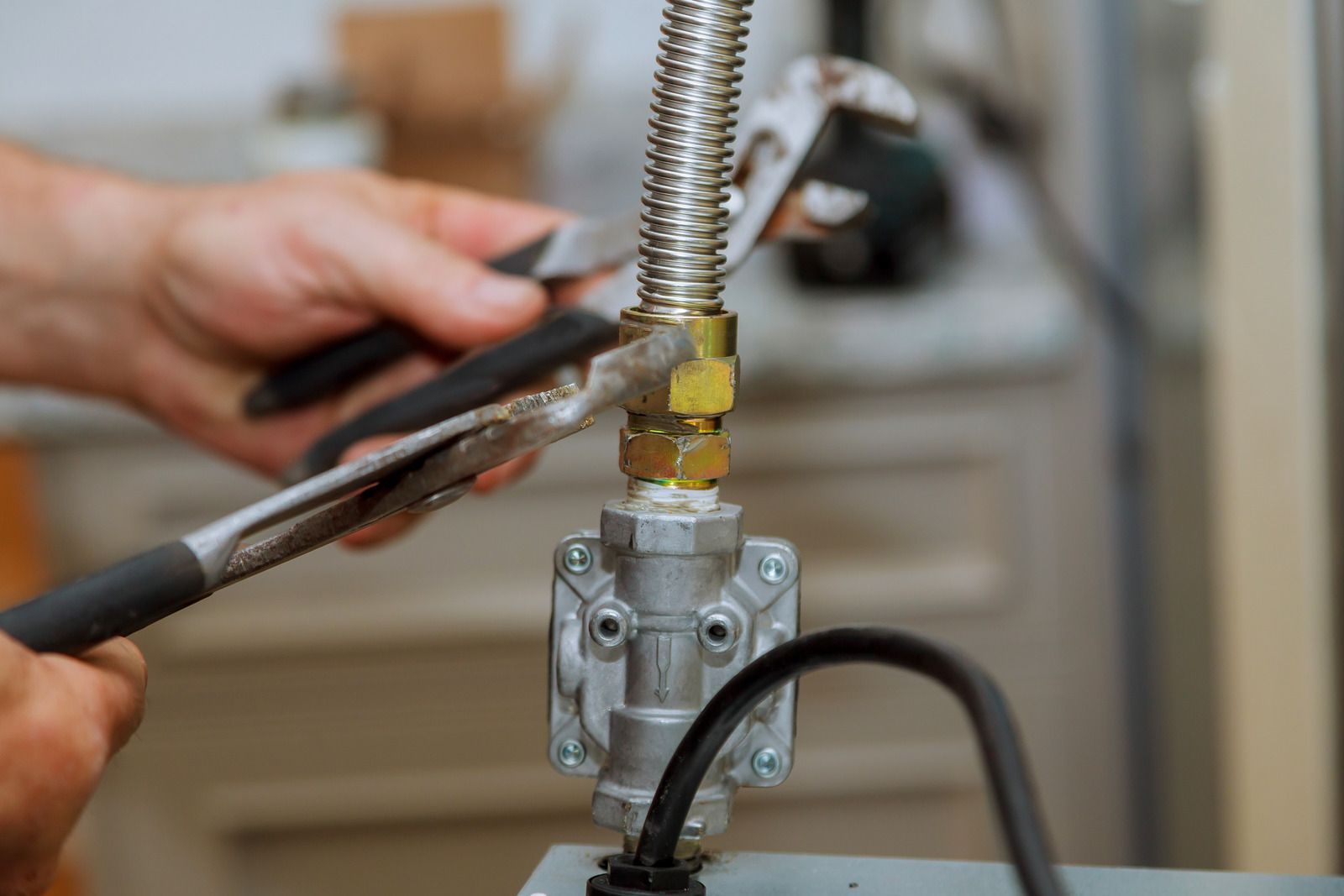
Flexible gas lines connecting ranges, dryers, and water heaters can loosen or become damaged through appliance movement, kinks, or age-related deterioration.
Threaded Joints In The House Piping
Black iron gas pipes use threaded fittings and approved sealants. Over time, vibration and temperature changes can weaken connections and allow gas leaks.
Shutoff Valves
Shutoff valves behind ranges or near water heaters can develop internal wear or leaks around their stems, allowing gas to escape.
Appliance Regulators And Burner Assemblies
Faulty regulators, cracked burners, or defective gas control valves can release gas even when the home's supply piping remains intact.
Buried Lines Outside
Oklahoma's expansive clay soil repeatedly swells and shrinks, stressing underground gas lines. Freezing temperatures, foundation movement, and nearby digging can increase damage.
Propane Tanks And Regulators
Rural propane systems can develop leaks at tank regulators, service-line fittings, or underground pipes. Persistent dampness and poor drainage can also accelerate tank corrosion.
How a Plumber Tests Gas Lines
Once the building has been cleared by the utility or the responders, a licensed plumber can find and fix the cause. Testing gas piping is not guesswork. It follows a sequence, and each step answers a different question.
Step One: Look at the System and Ask Questions
The plumber starts with your account of what happened: where the smell was strongest, when it started, which appliances were running, and whether anything changed recently, such as a new appliance, a move, or a cold snap. Then comes a visual check of the meter or tank, the shutoff valves, the connectors, the appliances, and any exposed piping for corrosion, kinks, or damage.
Step Two: Use an Electronic Leak Detector
A handheld combustible gas detector samples the air near fittings and connections and signals when it detects gas. It is sensitive enough to pick up leaks too small to smell. The plumber moves along the piping, pausing at joints, valves, and appliance connections. Because detectors respond to gas rather than to your nose, they help find a leak that has been working its way through a wall or around a corner.
Step Three: Apply a Bubble Solution
A leak detection solution, similar in concept to soapy water but made for the job, is brushed onto a suspect joint or connection. If gas is escaping, it forms bubbles that grow and cluster at the exact point of the leak. This confirms the location precisely so only the failing part gets repaired.
Step Four: Run a Pressure Test
A pressure test checks the whole piping system rather than a single spot. The plumber isolates the piping from the appliances, connects a gauge or manometer, and brings the line up to a test pressure suited to the system. Then the line is watched for a set period. A needle that drifts downward means pressure is escaping somewhere, even if no single joint is leaking enough to find by sniffing. A needle that holds steady means the piping is tight.
Why the pressure test matters most. A detector and a bubble solution find a leak you already suspect. A pressure test proves whether the system as a whole is sealed. That is why it is used after repairs, after new gas lines are added, and any time there is doubt about the condition of old piping.
Step Five: Repair, Then Retest
The faulty part is repaired or replaced, whether that is a connector, a valve, a fitting, or a section of pipe. Then the testing starts over. The plumber checks the repaired spot again with the detector and solution, repeats the pressure test, and confirms that the appliances light and burn correctly with a steady blue flame. Only then is the gas turned back on to the equipment.
Tip:
Ask the plumber to show you the gauge before and after the repair, and to point out the exact part that failed. A repair you can see and understand is a repair you can trust, and the failed part tells you whether other connectors of the same age deserve a closer look.
Slab leaks are among the most serious plumbing problems a property can face, combining hidden development, structural risk, and the potential for significant water damage all at once. Early detection through professional diagnostic tools, followed by the right repair method for the specific conditions, is the framework that prevents a manageable problem from becoming a major structural event. Protecting your foundation, your indoor environment, and your plumbing investment requires working with licensed professionals who understand both the detection science and the repair techniques that deliver lasting results. Taking action at the first warning sign is always the right decision.
At Star Plumbing and Drains, we have spent more than 20
years serving property owners across Muskogee, Oklahoma with the kind of hands-on expertise that slab leak detection and repair demands. We bring advanced diagnostic technology to every service call, including electronic leak detection, thermal imaging, and video pipe inspection, so we can pinpoint the problem without unnecessary demolition. Our repair approach is tailored to what each plumbing system actually needs, whether that means a targeted spot repair, a full pipe reroute, or a trenchless epoxy lining solution. We understand the Muskogee region's soil conditions, water quality characteristics, and the plumbing challenges common to local homes and commercial properties. When you work with us, you work with a team that has seen and resolved slab leak situations across every complexity level. We stand behind our work with a commitment to transparent communication, accurate diagnosis, and repairs built to last. Star Plumbing and Drains
is the name Muskogee property owners call when the problem is under the slab and the stakes are high.
Professional Solutions Backed by Decades of Plumbing Knowledge
Where to feel for it
A warm floor signals more than a plumbing inconvenience. Escaping hot water wastes energy and increases utility costs while creating constant moisture beneath the slab. Over time, damp conditions encourage mold growth, damage flooring materials, weaken structural support, and contribute to foundation movement if repairs are delayed.
Which Appliances to Suspect
When the smell is stronger near one appliance, that appliance is the best place to begin, but only a professional should open it up.
Gas Range Or Cooktop
Unlit burners, bumped knobs, or loose connectors can release gas near kitchen appliances.
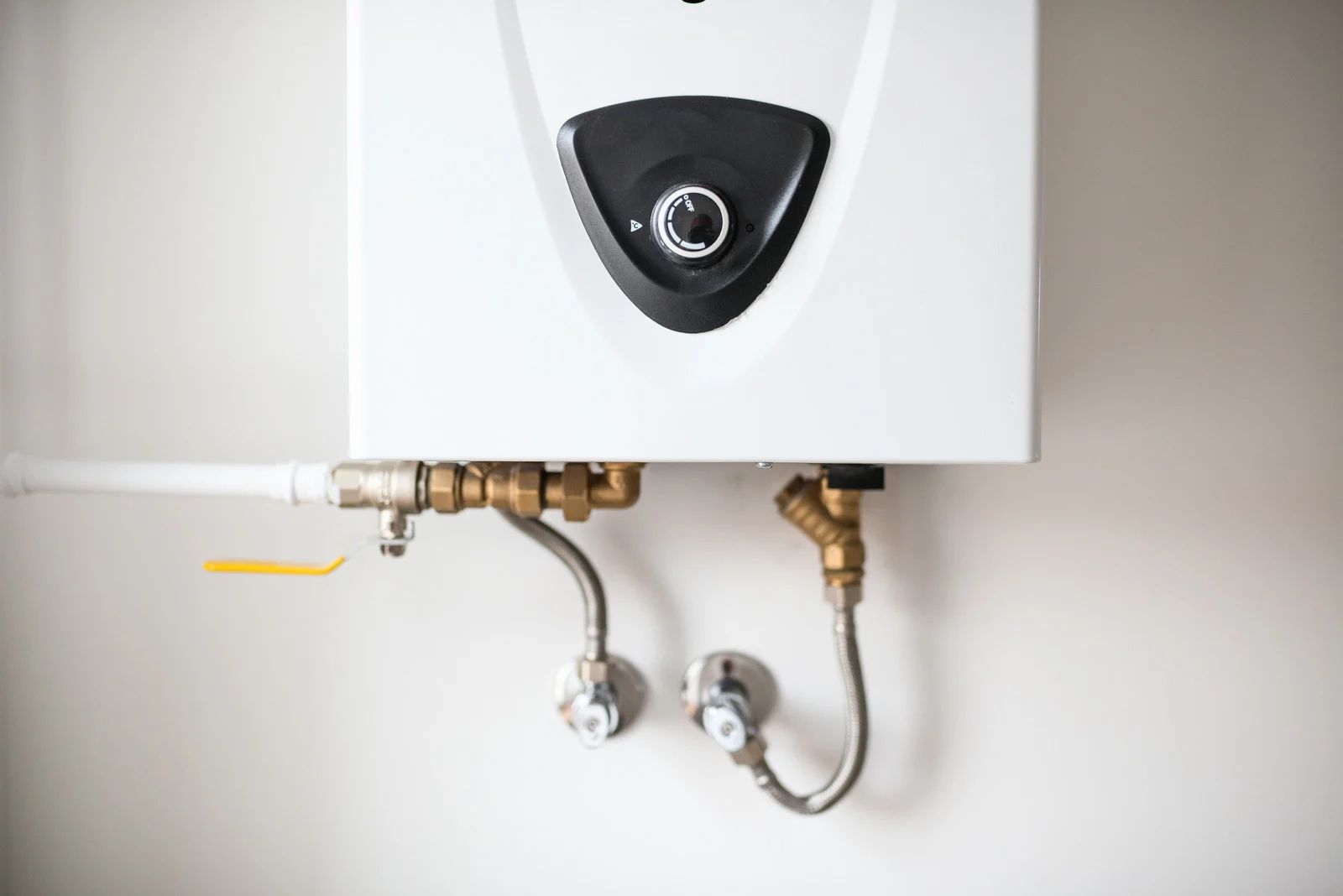
Water Heater
Extinguished pilots, draft problems, or faulty gas valves can cause odors near water heaters.
Furnace Or Boiler
Seasonal startup odors may indicate burning dust or a potentially dangerous gas leak.
Dryer
Repeated movement can damage flexible gas connectors, causing leaks near laundry appliances.
Fireplace And Outdoor Equipment
Gas logs, grills, patio heaters, and fire pits can develop weather-related connection leaks.
After the Scare: What to Do Next
Do not relight pilots or restart appliances yourself after a gas smell, even if the smell has cleared. The cause may still be there.
Have the piping tested. If the utility says the source was not on their side of the meter, the problem is in the building's piping or appliances, which is the plumber's territory.
Keep notes. Write down what you smelled, where, and when. That helps the plumber narrow down the cause faster.
Replace aging connectors proactively. If a flexible connector is old, kinked, or discolored, replacing it before it fails is a quick, simple job.
Check your detectors. If an alarm did not sound when you smelled gas, replace the batteries or the unit.
Frequently Asked Questions
I smelled gas for a moment and then it was gone. Should I still call someone?
Yes. A brief smell can come from a relighting pilot or a small leak that shifts with temperature. Call your gas utility and have a plumber test the system.
Is it safe to open windows and keep looking for the source?
Only open windows if you are already beside them while leaving. Do not stay to search, since the air may be flammable. Leave and call for help.
Can I test for a gas leak myself with soapy water?
Soapy water on an exposed fitting is a known technique, but it cannot find leaks inside walls or underground. If you smell gas, leave first and let a licensed plumber test.
Why does my house smell like gas only when the furnace starts in the fall?
Summer dust burning off the burners can cause a brief smell, but a leak can feel identical. If it is strong, lingers, or makes anyone unwell, leave and call for help.
How do I know the repair was done correctly?
A complete repair ends with a retest. The plumber should leak check the repaired connection, hold a steady pressure test, and relight the appliance to a steady blue flame. Ask to see the gauge.
Knowing Your Gas Lines Are Truly Safe
A gas smell calls for a calm, quick exit first, and the testing comes after the emergency is handled. Once responders clear the building, a proper inspection shows whether the piping is tight and the appliances are burning safely. Leak detection, bubble solution at the joints, and a pressure test that holds steady each answer a different question. Together they replace uncertainty with a clear result, and a retest after every repair confirms the fix before any equipment returns to service.
Star Plumbing and Drains
has tested and
repaired gas systems
in Muskogee, OK for 20+ years, and that experience covers natural gas and propane across homes, businesses, and industrial sites. Knowing where leaks tend to start, from flexible connectors to threaded joints and buried lines in shifting clay, speeds up the search and keeps repairs focused on the failing part. Owners come away with gas lines they can trust and appliances that run with a steady blue flame.